REVIEW · CEBU
BEST OF CEBU: Cebu City Heritage with Uphill Tour | Joiners
Book on Viator →Operated by Explore Cebu Tours & Travel · Bookable on Viator
Cebu in one tidy loop. This tour mixes big-name sights with an actual uphill stop, then caps the day at the Temple of Leah and Sirao Flower Garden. I love the small group feel (max 10) and the fact you ride in an air-conditioned vehicle with pickup. The one caution: Cebu traffic can add delays, so expect a slightly flexible timing.
You’ll cover a classic set of landmarks—Cebu Heritage Monument, Yap-Sandiego Ancestral House, Fort San Pedro, Magellan’s Cross—before heading toward hillside views at the Taoist Temple. I also like that key costs are bundled (fees/taxes, bottled water, and a souvenir), so you’re not constantly calculating what you still owe.
In This Review
- Key things to know before you go
- Why this Cebu heritage + uphill loop works so well
- Pickup, air-con van, and the traffic reality
- Cebu Heritage Monument to Yap-Sandiego House: the city’s story starts in stone
- Fort San Pedro and Magellan’s Cross: Spanish-era anchors
- Basilica Minore del Sto. Niño de Cebu: how to handle the dress code and entry limits
- Fuente Osmeña and the Cebu Capitol: a break from the heavy lifts
- Taoist Temple on the hillside: Chinese architecture plus real Cebu views
- Sirao Flower Garden: Little Amsterdam, celosia fields, and photos that feel more playful
- Temple of Leah: Roman-inspired romance, sculptures, and a different kind of Cebu landmark
- Value check: what you’re paying for at $63.50 per person
- What it’s like with the guides and why that changes the whole day
- Who should book this tour (and who might want a different one)
- Should you book Best of Cebu: Cebu City Heritage with Uphill Tour
- FAQ
- How long is the Cebu City Heritage with Uphill Tour?
- Is pickup offered?
- What’s included in the price?
- Are admission tickets covered for the stops?
- Can I go inside Basilica Minore del Sto. Niño de Cebu?
- How many people are in the group?
- Can I cancel for a full refund?
Key things to know before you go
- A hill-and-history combo that pairs city landmarks with the Taoist Temple viewpoint
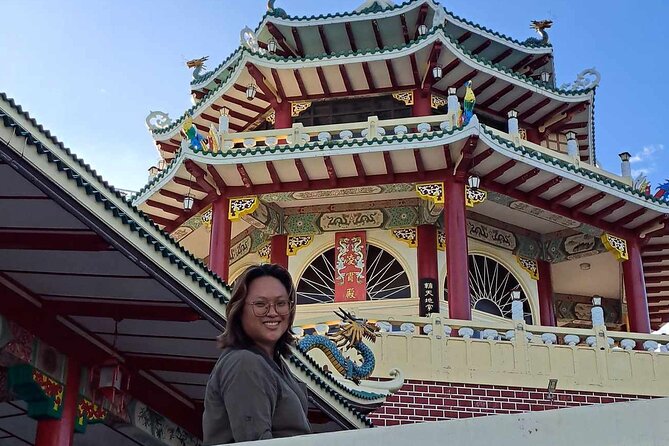
- Taoist Temple details: gardens, traditional Chinese architecture, and a Great Wall replica
- Sirao Pictorial Garden (Little Amsterdam): celosia fields and a windmill-style photo spot
- Temple of Leah: Roman-inspired architecture plus sculptures and love-theme displays
- Spanish-Chinese Cebu at Yap-Sandiego Ancestral House and the Spanish-era feel at Fort San Pedro
- Up to 10 people so your guide can actually adjust for photos and pacing
Why this Cebu heritage + uphill loop works so well
If you want to get your bearings fast, this route is built for it. In roughly 4 to 5 hours, you hit a cluster of major Cebu City sites, then swap street-level history for a hillside perspective with the Taoist Temple.
The “uphill tour” part matters. You’re not just ticking off churches and monuments—you’re also getting that high viewpoint angle over Cebu, which makes the day feel like more than a museum stroll.
And because it’s capped at 10 travelers, the pace usually feels human. In practice, that tends to mean fewer awkward bottlenecks at photo stops and more time for your guide to answer questions.
You can also read our reviews of more city tours in Cebu

Pickup, air-con van, and the traffic reality
You’ll go by air-conditioned vehicle, with pickup offered. That’s a big value add in Cebu, because travel time can balloon when streets get jammed.
In the field, I’d treat the schedule as a plan, not a promise. One of the most common realities on this kind of city tour is that heavy traffic can stretch timing, and your guide may re-balance minute-by-minute if the day runs late.
A small but smart tip: bring water (you’ll receive bottled water during the tour) and wear comfortable shoes. The uphill temple area and garden walkways mean you’ll appreciate grip and cushioning, especially if it’s warm or humid.
Cebu Heritage Monument to Yap-Sandiego House: the city’s story starts in stone
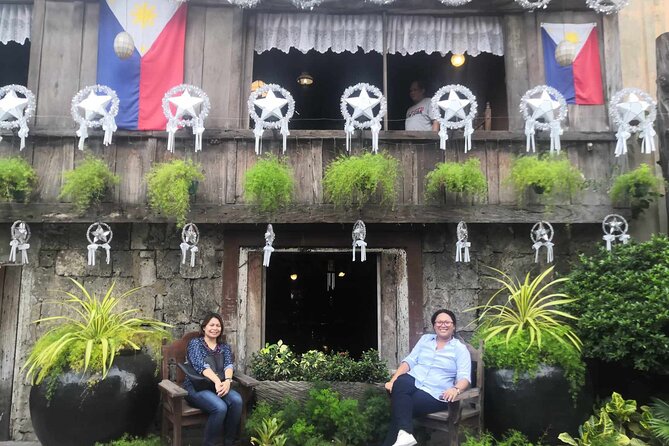
Your day begins with the Cebu Heritage Monument, a sculpture-filled tableau created by artist Eduardo Castrillo. It’s one of those places where the details reward you even if you’re only there briefly.
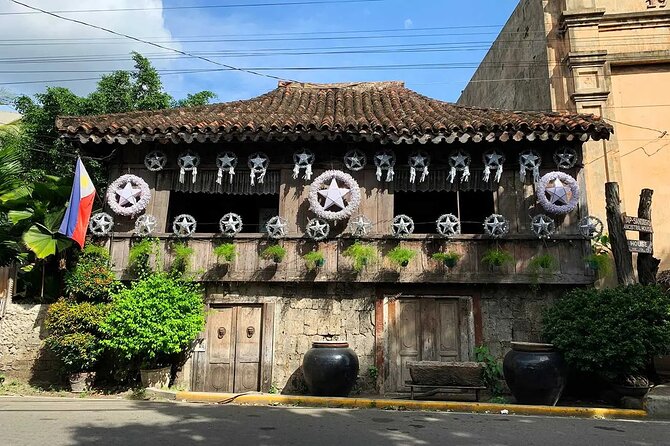
From there you move to the Yap-Sandiego Ancestral House, built in the 17th century. This stop is a real contrast to modern Cebu: you’ll see the Spanish-and-Chinese mix that shaped older families and architecture in the city. It’s also one of the stops that tends to feel more personal—less like a landmark you pass, more like a snapshot of how people lived.
Timing is tight—about 30 minutes at each of these early stops—so don’t expect a full, slow museum experience. Instead, use this portion to learn the names and themes, then carry that context to the fort and church sites later.
Fort San Pedro and Magellan’s Cross: Spanish-era anchors
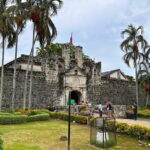
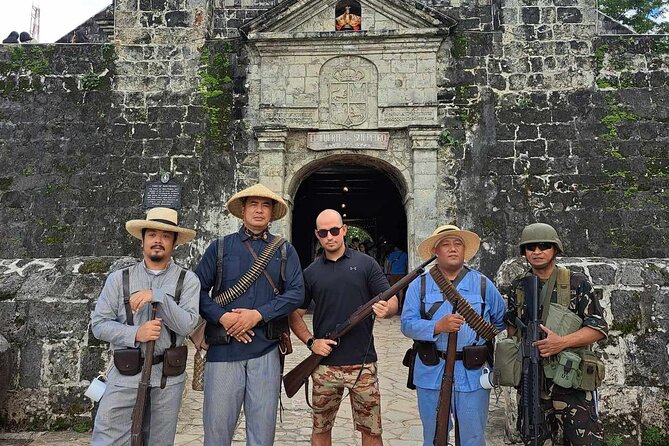
Fort San Pedro is built for quick impact. Established by Spanish colonizers and built in 1738, it’s known as the oldest and smallest fort in the Philippines. The stone walls and triangular bastion shape make it easy to picture the defensive purpose without needing a long explanation.
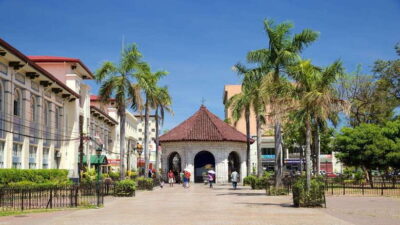
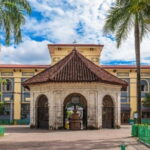
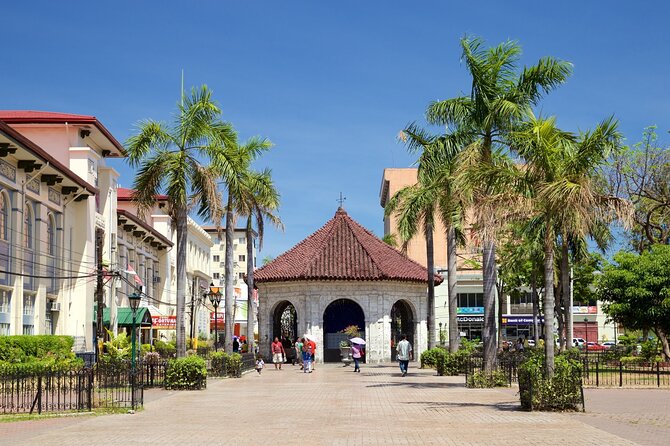
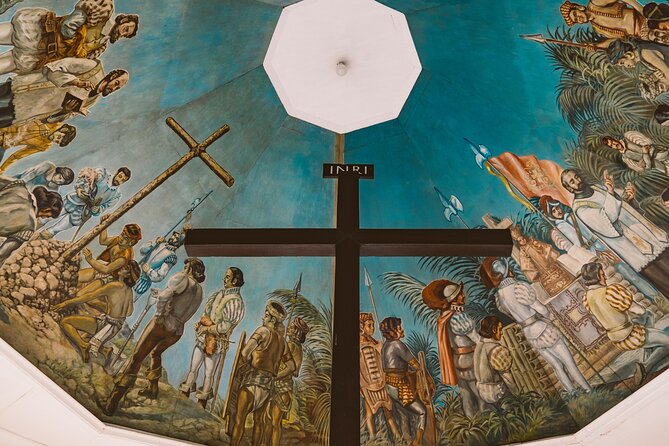
Then you’ll head to Magellan’s Cross, tied to Ferdinand Magellan’s 1521 arrival and the introduction of Christianity. It sits inside a protected chapel, so you’re not standing out in the open the whole time. Still, it’s a high-meaning stop—one of those moments where Cebu’s early European history becomes visible in a single location.
If you’re the type who likes photos with context, these two stops pair nicely: fort (power and control) followed by cross (faith and arrival story). It keeps the day from feeling random.
Basilica Minore del Sto. Niño de Cebu: how to handle the dress code and entry limits
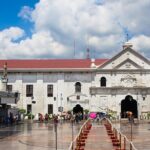
Next comes Basilica Minore del Sto. Niño de Cebu, established in 1565 and home to the revered Santo Niño de Cebu statue. This is an important site, and the building’s long Catholic history makes it a must-see on a first pass through Cebu City.
But here’s the practical note you should plan for: proper dress code is required, and you aren’t allowed to go inside Sto. Niño church on this tour. That doesn’t ruin the stop, but it does change the experience. Instead of an indoor look at the statue area and interior details, you’ll focus on the exterior visit and overall landmark context.
If you’re specifically hoping for a full inside visit, know this upfront. Your best move is to dress modestly and treat the stop as a respectful exterior encounter with a major Cebu religious landmark.
You can also read our reviews of more historical tours in Cebu

Fuente Osmeña and the Cebu Capitol: a break from the heavy lifts
Between the church sights and the hillside temples, the route includes Fuente Osmeña, a prominent park centered around a historic fountain named after President Sergio Osmeña. It’s a good “reset” moment. You get a sense of how locals move through public spaces while still staying on schedule.
You’ll also pass the Cebu Capitol Building, inaugurated in 1938 with neoclassical design—grand columns and a dome—and it houses the provincial government. This isn’t always the star attraction for everyone, but it gives your day a clear look at Cebu’s civic identity.
These are useful stops for people who get tired of only churches and monuments. They add variety without requiring a long time commitment.
Taoist Temple on the hillside: Chinese architecture plus real Cebu views
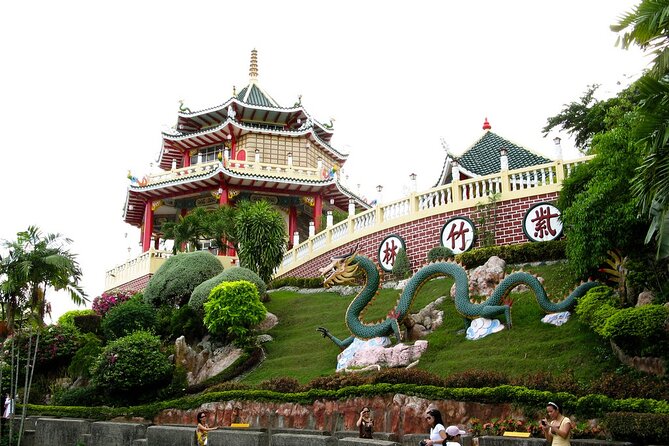
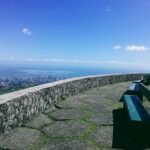
Then you get the “uphill tour” pay-off at the Cebu Taoist Temple. Built in 1972, it sits on a hillside with gardens and a colorful, traditional Chinese architectural style. You’ll also see a replica of the Great Wall, which is a fun visual anchor for understanding why this temple complex draws people in from across the region.
The best part here is the viewpoint effect. Even if you’re not religious, the location gives you Cebu City perspective in a way the flat landmarks can’t. You’ll notice why guides like to slow down a bit on this stop—because once you reach the higher ground, photos and skyline views become the natural activity.
One more practical consideration: the Taoist Temple stop may be affected by closure on some days. If that happens, don’t assume you’ll get the exact same experience. In that case, your guide would still aim to keep the rest of the day smooth.
Sirao Flower Garden: Little Amsterdam, celosia fields, and photos that feel more playful
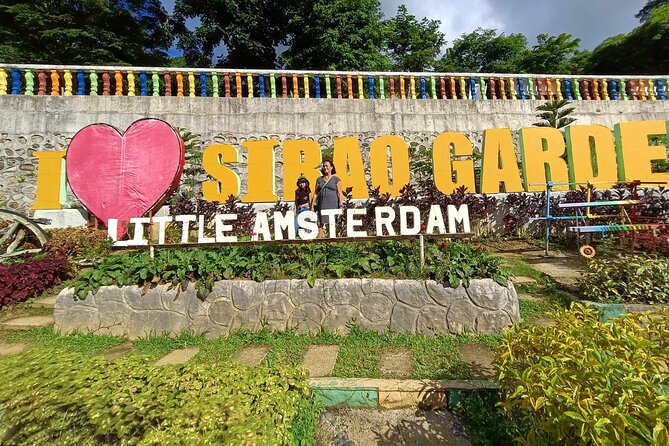
After the hillside, you head toward Sirao Pictorial Garden, often called Little Amsterdam. The big visual hit here is the flower fields—especially celosia—plus garden scenery that gives you that “postcard you can actually walk into” feeling.
This stop is included, and the allotted time is around 30 minutes. That means you’ll want to decide what you want most: wide field photos, close-up flower shots, or the windmill-style photo areas people look for in this garden.
A balanced note: Sirao can feel a bit tourist-forward to some people. If you’re very strict about avoiding anything that feels staged, you might find parts of this garden more curated than you expected. Still, the color and the views from the Sirao area are hard to beat for a quick, fun break.
Temple of Leah: Roman-inspired romance, sculptures, and a different kind of Cebu landmark
Next is the headline stop for many visitors: the Temple of Leah. Built in 2012, it’s inspired by ancient Roman architecture and designed as a grand tribute to love and devotion. Instead of history written only in plaques, you get a building that’s meant to be experienced—sculptures, art, and mementos that reinforce the love-theme setting.
Expect a guided explanation that connects the visual style to the story the place wants to tell. The time here is about 30 minutes, so you won’t have hours to wander. But if you like architecture or you enjoy “big photo building” stops, you’ll likely get your money’s worth.
That said, balance matters: one person noted they could have skipped Temple of Leah. That’s a fair warning for anyone who prefers strictly historical sites. If your ideal Cebu day is all forts, crosses, and old houses, Temple of Leah may feel more modern and showy than you want.
Value check: what you’re paying for at $63.50 per person
At about $63.50 per person, this tour isn’t trying to be the cheapest option. You’re paying for the structure: guided narration, an air-conditioned vehicle, bundled fees/taxes, bottled water, and a souvenir.
The value logic is simple:
- You get multiple major landmarks in one loop instead of piecing together separate taxis.
- You’re not managing ticket payments at every stop, since fees are included and some entrances are listed as included/free.
- The guide support is the “multiplier.” Stories and context help faster than you might think, especially on first-time Cebu days.
Also, the tour max of 10 people keeps it from feeling like a chaotic bus day. That matters when you’re trying to hear and see without constantly squeezing.
If you’re already comfortable navigating Cebu solo, you might spend less on transport by doing it yourself. But if you want a guided storyline plus hill views in one half-day, the bundled price makes sense.
What it’s like with the guides and why that changes the whole day
The tour experience can rise or fall on the guide, and this one has strong examples in the wild. Some departures include guides like Rix, who’s been described as friendly, funny, flexible, and quick to answer questions. Others mention a driver-and-guide father/son team that handled transport with safety-first confidence and kept the whole day engaging.
You’ll feel the effect of good guiding most at the “between stops” moments—when time gets tight or when you want a slightly longer photo break. That flexibility is a real quality-of-life feature, especially with city traffic.
Who should book this tour (and who might want a different one)
This tour is a great fit if:
- you’re a first-time visitor who wants Cebu City history plus one hillside view
- you like guided explanations at several landmarks in a short day
- you want an easy plan that works well for solo travelers, because the small group helps you feel comfortable
You might want to think twice if:
- you strongly prefer only older, deeply historical sites (Temple of Leah may feel too modern/showy)
- you need an inside visit to Sto. Niño church (on this tour you’re not allowed inside)
- you’re very sensitive to the idea of tourist-heavy garden areas (Sirao can feel that way to some)
Should you book Best of Cebu: Cebu City Heritage with Uphill Tour
I’d book it if you want a balanced Cebu City overview with one “wow” ingredient: the Taoist Temple hill views, followed by colorful Sirao and a big architectural stop at Temple of Leah. The total package—transport, guide support, and bundled fees—makes it a practical use of a half-day.
Skip it only if your priorities are narrow (inside church access, zero tourist-style gardens, or pure archaeology/fort-only history). For most people, this route gives you the right mix: icons, local architecture, and that uphill change of scene.
FAQ
How long is the Cebu City Heritage with Uphill Tour?
It runs about 4 to 5 hours.
Is pickup offered?
Yes, pickup is offered, and you’ll travel in an air-conditioned vehicle.
What’s included in the price?
The tour includes air-conditioned vehicle use, all fees and taxes, bottled water, assistance of a professional tour guide, and a Cebu souvenir.
Are admission tickets covered for the stops?
Fees and taxes are included, and several stops list admission as included or free.
Can I go inside Basilica Minore del Sto. Niño de Cebu?
The tour notes say you are not allowed to go inside Sto. Niño church, so plan for an exterior visit.
How many people are in the group?
The tour has a maximum of 10 travelers.
Can I cancel for a full refund?
Yes. You can cancel up to 24 hours in advance for a full refund.