REVIEW · CEBU CITY
CEBU: Guided Heritage Cebu City Joiners Tour
Book on GetYourGuide →Operated by Explore Cebu Tours · Bookable on GetYourGuide
Cebu’s past in four hours. This guided heritage loop is a fast way to see the key landmarks that shaped modern Cebu City, from Magellan’s Cross to Fort San Pedro, with live English storytelling. I like that you get smooth transportation and planned time at major sites instead of just wandering. The main drawback to consider is that the quality of the guiding can feel inconsistent, so you’ll want to be ready to ask questions and make the most of your short stops.
You’ll start with hotel pickup and an air-conditioned ride between locations, which matters in Cebu’s heat. You’ll also skip the worst of ticket-line time at stops where that applies, so the day stays focused on seeing things rather than queuing.
This is best as a first look at Cebu’s old center. If you’re the type who likes long, slow museum-style visits, four hours may feel tight for the amount of places you’re covering.
In This Review
- Quick take: what makes this tour worth your time
- A four-hour heritage loop in Cebu City: what you really get
- Getting started: hotel pickup, A/C van, and the 10-minute rule
- Magellan’s Cross and Basilica del Santo Niño: the spiritual core of Cebu
- Yap-SanDiego Ancestral House: a heritage stop beyond the obvious churches
- Colon Street and Parian Plaza: old Cebu as a living neighborhood
- Fort San Pedro: cannons, walls, and the feel of Spanish-era strategy
- Taoist Temple photo stop: a contrasting finale
- Price and value: is $54 for four hours fair?
- So, what about the guiding quality and timing?
- Who this Cebu heritage tour fits best
- Should you book it? My take
- FAQ
- How long is the Cebu Guided Heritage Cebu City Joiners Tour?
- What’s included in the price?
- Is food and drinks included?
- What language is the tour guide?
- Do I need to buy tickets for the attractions?
- Where do they pick you up?
- What are the cancellation terms?
Quick take: what makes this tour worth your time
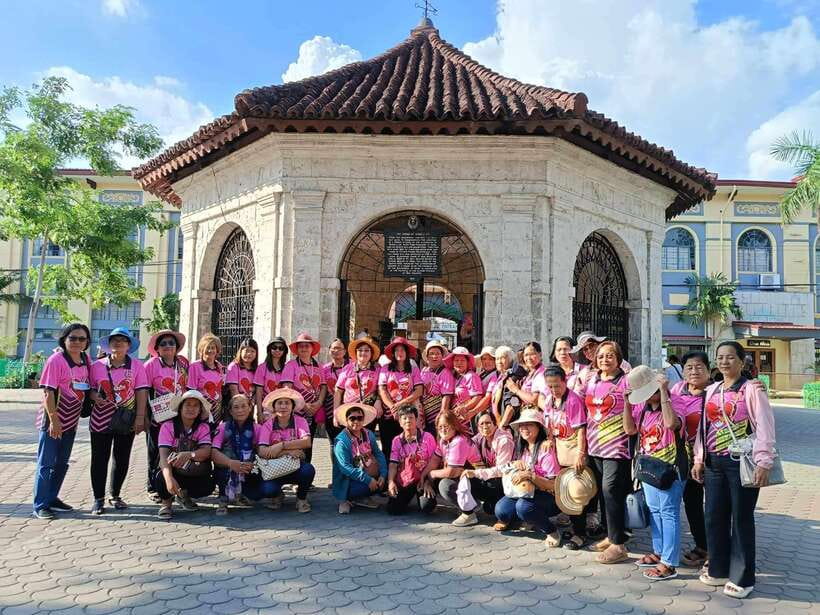
- Magellan’s Cross + Basilica del Santo Niño: a practical intro to Cebu’s Christian roots, with a chance to see the Santo Niño statue
- Colon Street + Parian Plaza: you get the busy old-street feel and nearby shopping without needing a separate plan
- Fort San Pedro: Spanish-era fortress layout, cannons, and gardens, usually with strong on-site interpretation
- Yap-SanDiego Ancestral House: a heritage-house stop that adds variety beyond churches and forts
- Taoist Temple photo stop: a contrasting cultural stop near the end of the tour
A four-hour heritage loop in Cebu City: what you really get
This is a compact, “see the highlights” heritage tour. In one half-day, you’re taken to several of the city’s best-known landmarks tied to Spanish colonial history and long-standing faith traditions.
You should think of it as orientation plus context. You’ll get just enough time at each place for photos, a guided look, and a few story beats you can remember later when you walk around on your own.
The flip side is the schedule is tight. Even when the guide does a good job, some stops are photo-friendly and others are short guided visits, so you won’t have hours to linger.
You can also read our reviews of more guided tours in Cebu City

Getting started: hotel pickup, A/C van, and the 10-minute rule
Your tour starts with hotel pickup inside Cebu City. Plan to wait in the lobby about 10 minutes before your scheduled pickup time.
The driver is set to wait no longer than 10 minutes after the scheduled time. That sounds minor, but in real life it can matter if you’re late from breakfast, checking out, or stuck in traffic leaving the lobby.
The good news: the ride is air-conditioned, which is a real comfort boost between stop-and-start walking. It also helps when you’re doing church and fort visits back-to-back and you need quick recovery time.
Magellan’s Cross and Basilica del Santo Niño: the spiritual core of Cebu
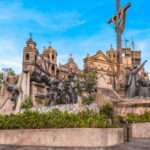
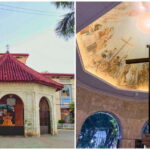
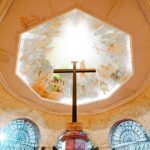
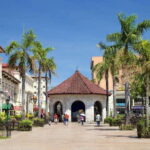
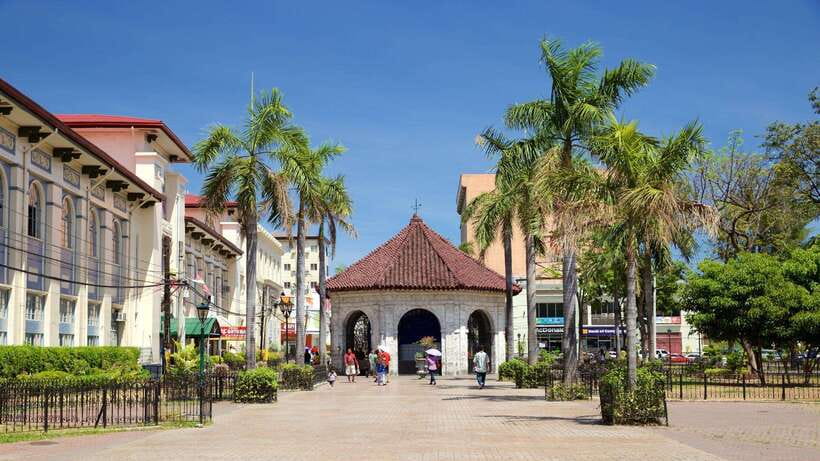
You’ll begin with Magellan’s Cross, and you’ll have a short photo stop plus guided time. The cross is treated here as a symbol of the introduction of Christianity to the Philippines, so it’s not just a landmark—it’s a statement about how Cebu’s history gets told.
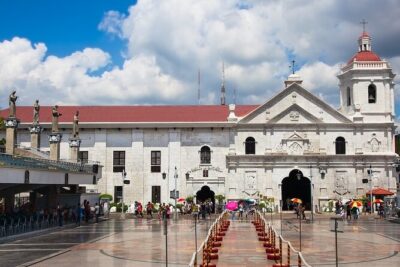
Then you move to Basilica Minore del Santo Niño de Cebu for a longer stop with guided time and a chance to visit. The Santo Niño statue is described as the oldest Christian relic in the country, and that matters because it explains why so many people come here with devotion rather than just curiosity.
What I like about this pairing is that it gives you two layers fast: the famous symbol (Magellan’s Cross) and the living, ongoing tradition (Basilica del Santo Niño). Even if you’re not into religious sites, the focus is clear: this is where faith and local identity show up in public space.
Yap-SanDiego Ancestral House: a heritage stop beyond the obvious churches
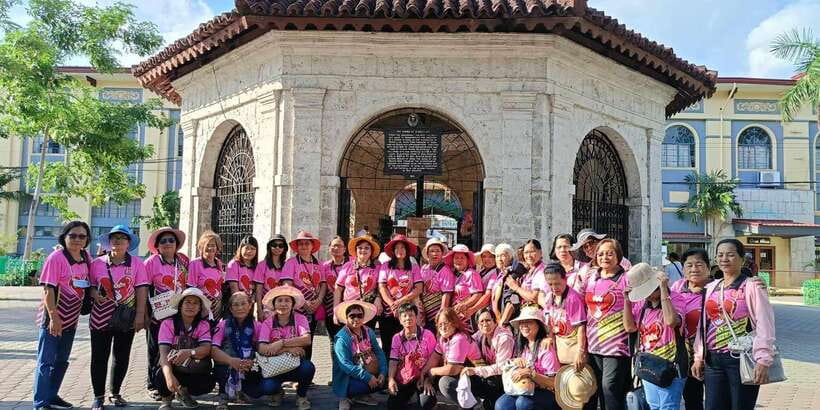
One of the more interesting “change of pace” stops is the Yap-SanDiego Ancestral House. You get photo time plus a guided visit, which helps turn it from a quick look into something you can place in the story of the city.
Ancestral houses often work best on a short tour when your guide connects architecture to daily life. Here, your time is limited, so you’ll get the overview rather than a deep architecture lesson—but that can be exactly what you want if you’re mixing several stops in one morning or afternoon.
Tip: if this is one of your top interests, bring a question like how this house fits into Cebu’s older wealth and family history. Short guided visits reward curiosity.
Colon Street and Parian Plaza: old Cebu as a living neighborhood
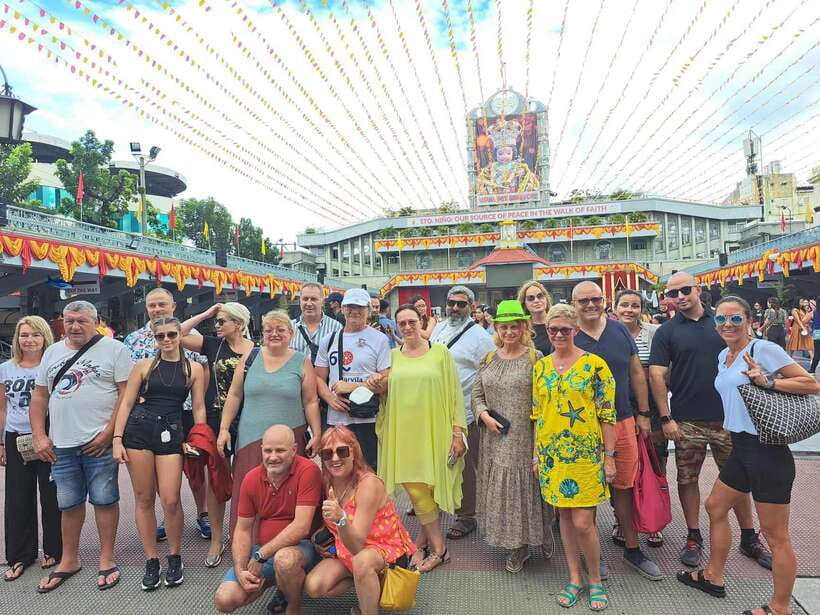
Next up is Colon Street, which is described as the Philippines’ oldest street. You’ll spend time absorbing the atmosphere, including the marketplace feel and century-old buildings in the area.
This is the part of the tour where heritage becomes visible in everyday life. Instead of viewing history from behind ropes, you see the street working: people shopping, walking, talking, and moving past old façades.
From there, you’ll visit Parian Plaza, first as a photo stop and then with a shopping window. That matters because you’re not just sightseeing—you’re also getting a practical chance to pick up small items or souvenirs while your guide can point you toward what’s nearby.
In short: this is where you get the “Cebu vibe” along with the stories.
You can also read our reviews of more city tours in Cebu City

Fort San Pedro: cannons, walls, and the feel of Spanish-era strategy
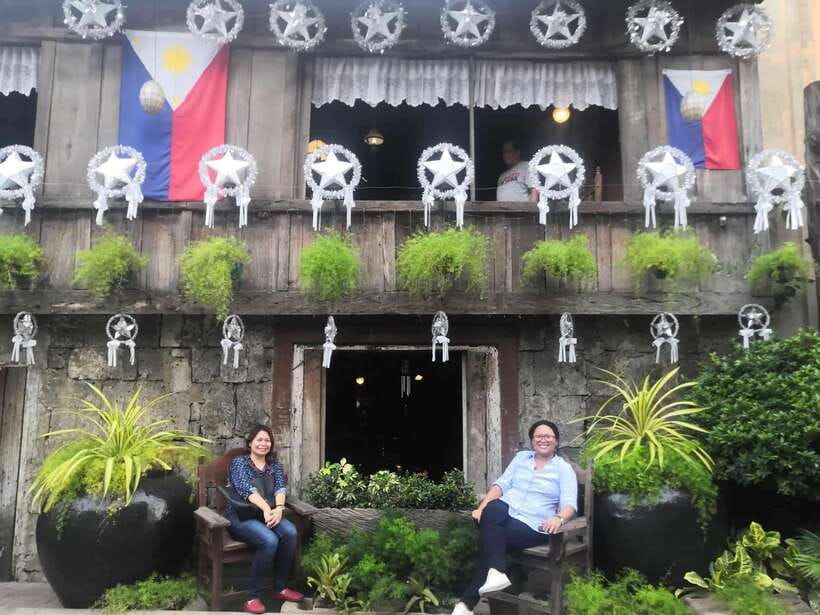
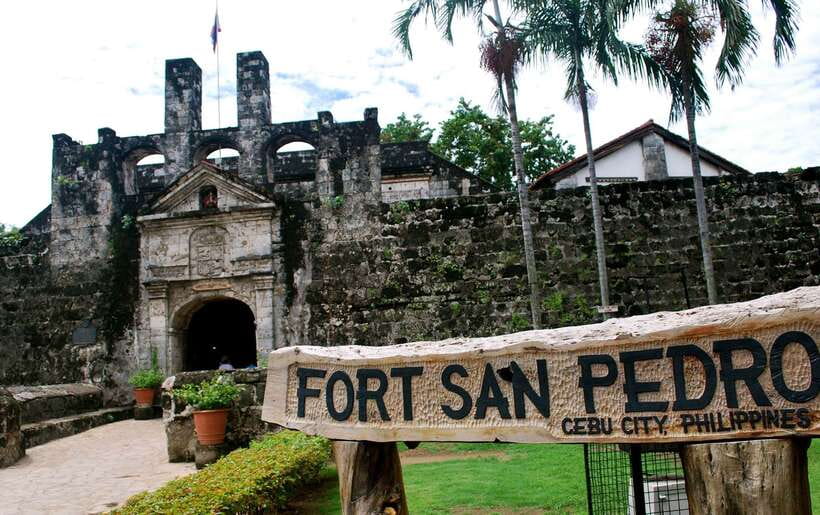
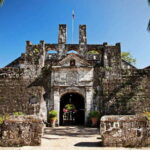
Fort San Pedro is one of the strongest stops on the route. You’ll have a guided visit and time to explore the fortress grounds, including the strategic layout, cannons, and gardens.
What makes Fort San Pedro click is the way it connects physical space to historical events. The fortress is linked to Spanish colonial-era defense, so the cannons and walls aren’t random props—they’re cues to understand battles and sieges and why this place was built the way it was.
If you like history that you can actually see, this is where the tour feels most satisfying. You get enough time to walk the grounds, look for vantage points, and let the setting do some of the teaching.
One practical note: there can also be extra explanation available on-site from people who are not part of your guided time. If someone offers more detail, you can decide whether to engage and tip based on what you value.
Taoist Temple photo stop: a contrasting finale
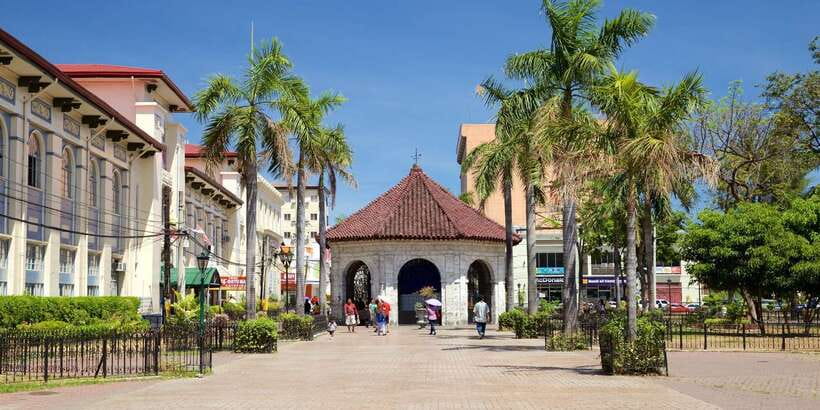
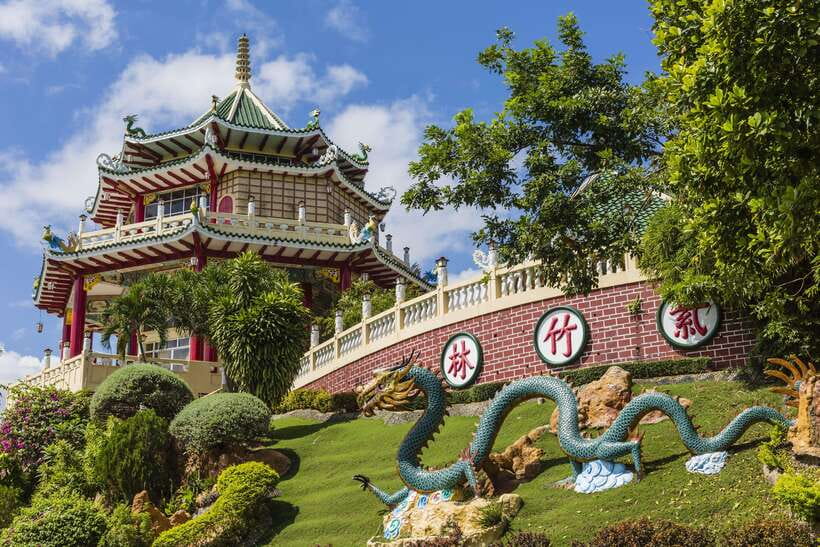
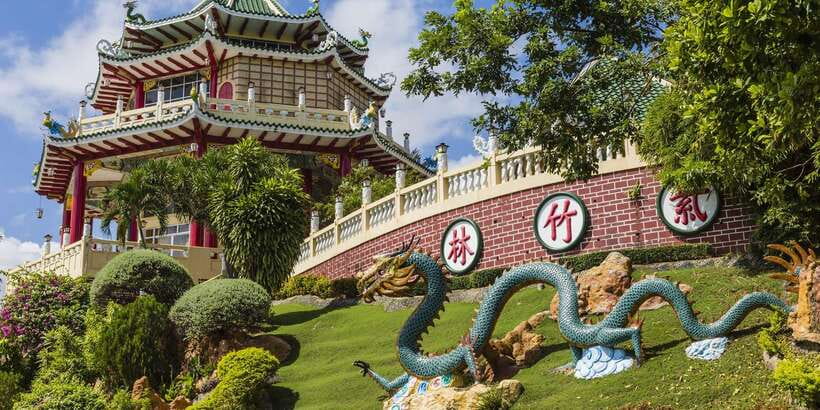
Near the end, you’ll reach the Taoist Temple for a photo stop and guided visit time. This stop is shorter than the major heritage anchors, but it adds a different cultural lens so the day isn’t only Spanish colonial and Christian sites.
Even in a short window, you should come away with a sense of how Cebu’s cultural mix shows up visually. It’s also a good “reset stop” before the ride back, because temple visits often have a calmer pace than the busiest streets.
Price and value: is $54 for four hours fair?
At $54 per person for about four hours, the value is mostly about what you’re getting included. This price covers hotel pickup and drop-off, an air-conditioned van, English live guiding, and applicable entrances and fees.
Where this can feel like a great deal: if you use the guided storytelling to connect the stops, you’ll end up with more than just photos. Entrance fees and transport can add up on your own, and skipping ticket lines can save time.
Where it can feel overpriced: if you end up with limited commentary and more “driving between stops” than guided explanation. Some people want a guide who actively talks through each location, and if that’s what you expect, you should treat this as a quick facts-and-photos tour rather than a slow, detailed lecture.
My advice for value: go with clear expectations. Think “guided highlights.” If you want a deep dive on one site, pair this with self-guided time afterward.
So, what about the guiding quality and timing?
This tour’s biggest swing factor is how much meaningful guide talk you get during the visits. The promise is a live English guide, but the on-the-ground experience can vary, especially on shorter stops where your time is measured in minutes, not hours.
Also, because pickup timing is strict (that 10-minute window), you’ll reduce stress by being ready early. Keep your phone notifications on the day of the tour, and stay within easy contact with your pickup details.
If you find yourself in a group where you’re not getting much explanation, don’t just sit back. Ask quick questions like:
- What should I notice here that I’d miss on my own?
- What’s the most important story tie-in to this stop?
Short tours reward active participation.
Who this Cebu heritage tour fits best
This is a strong match if you:
- Want a first-time orientation to Cebu City’s oldest core
- Prefer guided context over independent guesswork
- Are okay with a schedule that moves quickly between Magellan’s Cross, Basilica del Santo Niño, Colon Street, Fort San Pedro, and Parian Plaza
You might want to skip or adjust your expectations if you:
- Want long, slow visits where you can wander at your own pace for an hour or two per stop
- Expect a highly detailed lecture style at every location
- Are easily stressed by strict pickup timing and short stop durations
Should you book it? My take
If you want a compact, guided highlights route through Cebu City’s most famous heritage sites, this tour is an efficient way to get your bearings fast. The included transport, entrances, and English guide make it easy to plan, and the combination of Christian landmarks, colonial fort history, and the old-street atmosphere gives you a well-rounded first look.
But book with clear expectations. This is a quick tour with short guided visits and photo stops, and the experience can vary depending on how much guide commentary you actually receive and how smoothly pickup goes.
If you’re flexible, arrive ready on time, and ask questions during the stops, you’ll likely feel you got your money’s worth.
FAQ
How long is the Cebu Guided Heritage Cebu City Joiners Tour?
The tour lasts 4 hours.
What’s included in the price?
Hotel pickup and drop-off, assistance of a coordinator or tour guide, air-conditioned transportation, and applicable entrances and fees are included.
Is food and drinks included?
No. Food and drinks are not included.
What language is the tour guide?
The live tour guide is in English.
Do I need to buy tickets for the attractions?
The tour includes skip-the-ticket-line support.
Where do they pick you up?
Pickup is included from your hotel in Cebu City.
What are the cancellation terms?
You can cancel up to 24 hours in advance for a full refund.