REVIEW · CEBU CITY
Cebu City: Historical Street and Food Tour
Book on GetYourGuide →Operated by Realist Filipino Tour Services · Bookable on GetYourGuide
A few blocks in Cebu can teach you a lot. This 3-hour historical street and food walk pairs landmark-sightseeing with bold local bites, so you’re not just looking at old walls—you’re tasting Cebu along the way. I especially like the focus on real street food (including balut) and the way the guide connects food and sites to the city’s Spanish-era roots.
I also like the lineup of major stops packed into a short time: the Yap Sandiego Ancestral House (coral stone, built in 1680) and the churches tied to the oldest Catholic presence in the Philippines. One thing to consider: at around $90 per person, it’s not a bargain for a casual snack run, so you’ll want to get value by listening to the stories and taking your time at each stop.
In This Review
- Key takeaways
- Why Cebu City streets work best with a food-and-history guide
- Price and timing: is $90 worth it?
- Meeting point and the first move through Cebu (what the start feels like)
- Cebu Farmers Market: where you learn what locals actually buy
- Street food stop: balut and how to handle it without drama
- Heritage of Cebu Monument: metal sculptures with meaning
- Yap Sandiego Ancestral House (1680): coral stone and mixed architecture
- Basilica Minore del Sto. Nino de Cebu: the 1565 Catholic anchor
- Carbon Market: why the name matters (and what you’re walking past)
- Magellan’s Cross (1521) and the Catholic Spanish-era start point
- Cebu Metropolitan Cathedral: WWII damage and a 1950s rebuild
- Local bus moments and small-group pace (how the day really moves)
- What you should bring (and what the tour won’t tolerate)
- Safety and solo-friendliness: what you get from having a guide
- Who should book this Cebu City street and food tour?
- Should you book? My honest take
- FAQ
- How long is the Cebu City Historical Street and Food Tour?
- What’s included in the price?
- Is hotel transfer included?
- Is the tour only walking?
- What food will I taste during the tour?
- What should I bring and what is not allowed?
Key takeaways
- Balut is part of the deal: a boiled salted duck egg, eaten the local way with salt
- Sixteenth-century landmarks on foot: including the church dated to 1565
- Coral-stone heritage: Yap Sandiego Ancestral House built in 1680
- Magellan’s Cross and Carbon Market: Spanish-era sites in the same walk
- Small group (up to 10): easier pace and more questions to your English-speaking guide
- Safety + local navigation support: guides help you finish the tour smoothly back toward your plans
Why Cebu City streets work best with a food-and-history guide
Cebu City’s center is the kind of place where history is right on the street, not hidden behind a museum door. What makes this tour fun is that it links the landmarks to everyday eating—so your brain keeps two tracks running at once: what you’re seeing, and what people were (and still are) putting in their mouths.
This is also a practical way to start a short trip. In just three hours, you hit major anchors like the oldest Catholic church site (1565) and Magellan’s Cross (1521), plus stops that explain how the city grew into the Philippines’ oldest city. If you’ve only got one afternoon in Cebu, this route gives you a clear starting map.
The best part is that the tour isn’t just a checklist. Guides do more than point; they explain why the building materials matter, why the architecture mixes styles, and what the Spanish timeline means for how the city looks today.
You can also read our reviews of more food & drink experiences in Cebu City
Price and timing: is $90 worth it?
At $90 per person for about 3 hours, this sits in the mid-to-higher range for a walking tour. That price only makes sense if you’re using the guide as more than a human GPS.
Here’s the value equation I’d use:
- You’re getting guided time across multiple big-name sites instead of hopping one-by-one on your own.
- You’re paying for food included through the route, including balut.
- The small group limit (up to 10) usually keeps the pace sane, which matters in busy market and church areas.
- The guide’s job includes helping you navigate where you might otherwise feel rushed or uncertain—especially around busy areas like Carbon Market and the nearby streets.
If you’re the type who likes to wander independently, you could piece together similar stops on your own. But if you want structure, explanations in English, and food built into the walk, this tour is a strong “one afternoon” option.
Meeting point and the first move through Cebu (what the start feels like)
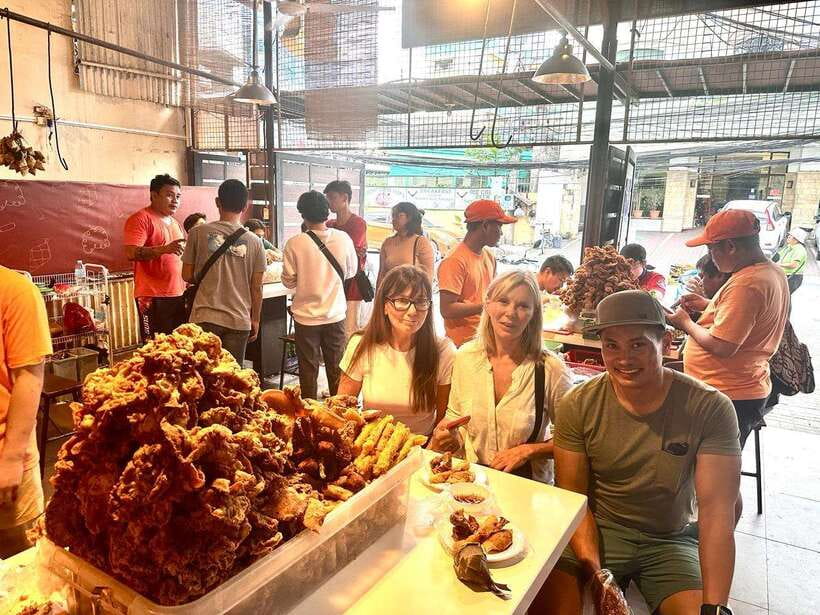
The tour begins when you meet your guide in the designated area, with the guide holding a paper with your name. No hotel transfer is included, so you’ll want to plan how you’ll reach the start point on your own. Once you’re together, the rhythm is simple: quick orientation, then off on foot through food and heritage zones.
Because it’s a small group, you’re not dealing with a long line of people blocking stalls or slowing the guide. That also makes it easier to ask short questions as you go—especially useful when you’re bouncing between markets, churches, and older homes.
Also note the weather reality: it runs rain or shine. Bring clothes you can move in and expect you might get damp.
Cebu Farmers Market: where you learn what locals actually buy
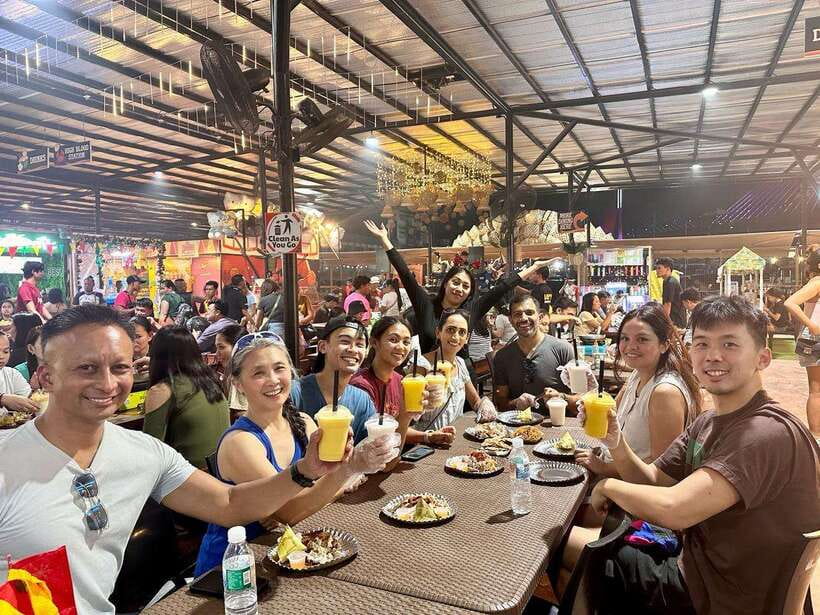
You kick things off at the Cebu Farmers Market, and the tour uses it like a classroom. The guide shows you how locals think about food—what’s common, what’s worth tasting, and how market life fits into daily Cebu.
For you, that does two things:
- It sets context before the bigger “wow” food moments.
- It helps you understand why street snacks in Cebu taste the way they do—bold, salty, and built for real hunger, not just for photos.
Even if you’ve seen markets elsewhere in the Philippines, this start point is useful because it grounds the tour in ordinary routines, not only in landmark glamour.
Street food stop: balut and how to handle it without drama
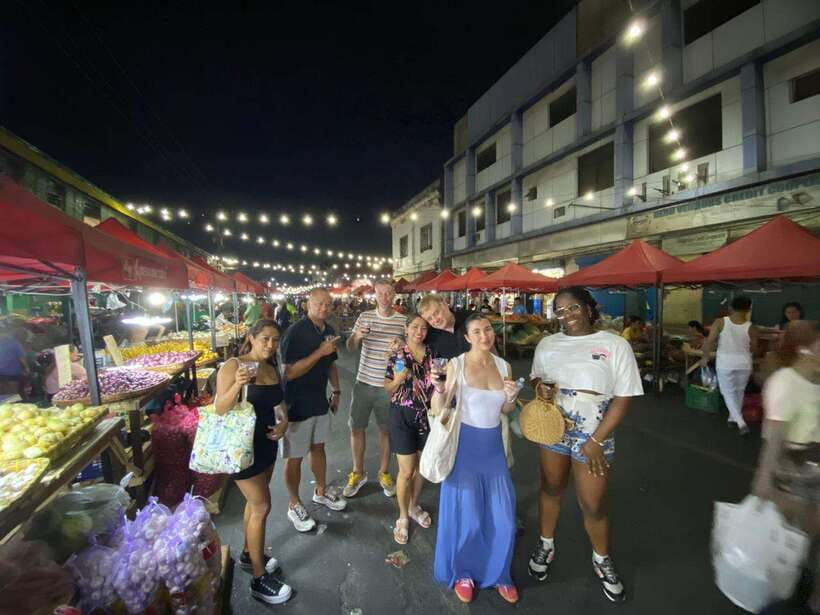
The signature taste here is balut, a boiled salted duck egg. If balut makes you nervous, you’re not alone—but the tour format helps because you’ll be with the group and the guide can tell you how it’s traditionally eaten.
A few practical tips if you’re trying it:
- Have cash ready so the snack stations move smoothly.
- Expect strong smell and strong salt; it’s part of the style.
- Don’t try to “speedrun” the moment. Take one calm bite, then decide if you want more.
If you’re hesitant, I still think the tour is worth it because balut is part of a broader food story. The point isn’t just one egg—it’s how Cebu’s street food culture balances salty, savory tastes with fast, handheld convenience.



Heritage of Cebu Monument: metal sculptures with meaning
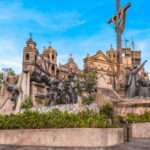
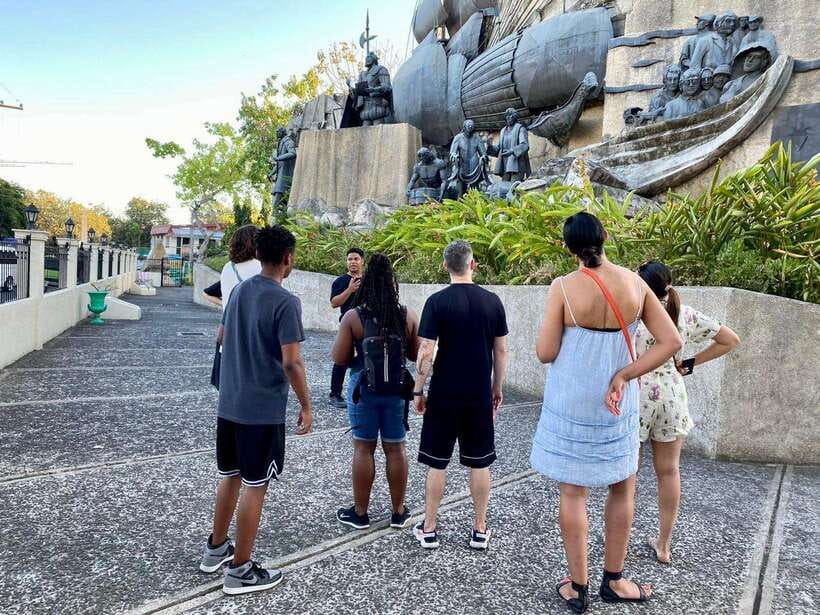
Between market and heritage homes, you’ll also see the Heritage of Cebu Monument, with metal sculptures that help frame the city’s identity. This stop is short, but it’s a smart pause: it gives you a visual marker for the “Cebu pride” side of the story.
Why I like this kind of stop: it breaks up the walk so you’re not only in church-photo mode. You get something more modern in materials and design, tied to the long arc of Cebu’s past.
Yap Sandiego Ancestral House (1680): coral stone and mixed architecture
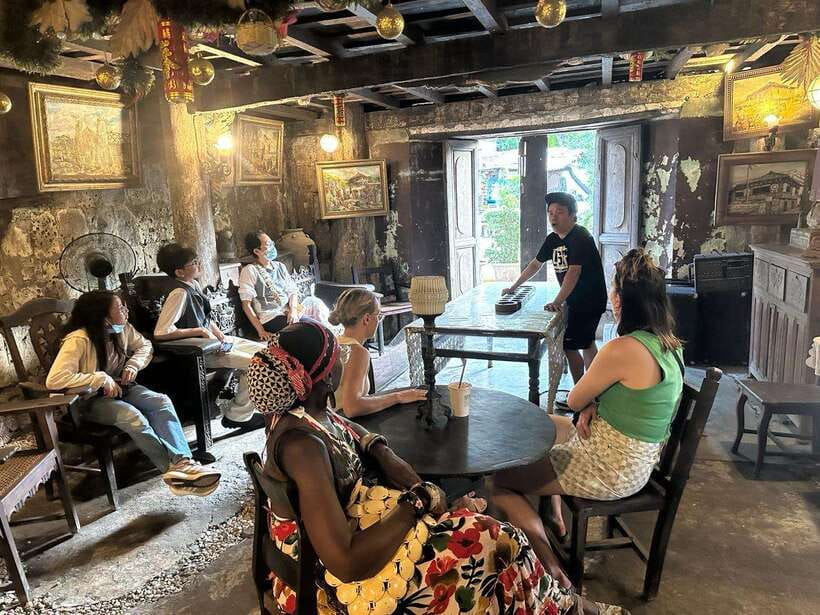
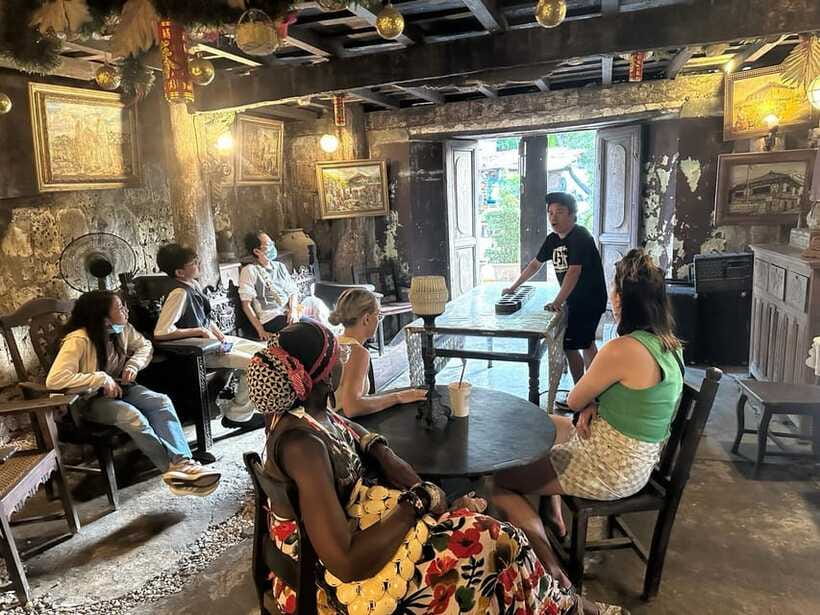
Then you get the kind of structure people love for a reason. The Yap Sandiego Ancestral House was built from coral stone in 1680, and it’s the star stop for architecture fans.
What you’ll notice right away is the mix of influences. The building includes Chinese and Spanish architecture, and the guide’s job is to help you read those details instead of just walking by them for a few selfies.
This is where the tour earns its “historical” label. Coral stone construction isn’t just a fun fact—it explains how materials, trade connections, and local adaptation shaped what wealthy families built. And since it’s a real house, not a theme set, it feels grounded in lived space.
If you want a quick way to understand Cebu’s layered identity, this is one of the best moments on the route.
Basilica Minore del Sto. Nino de Cebu: the 1565 Catholic anchor
After the ancestral house, the tour moves to the Basilica Minore del Sto. Nino de Cebu. This stop matters because it’s connected to the oldest Roman Catholic Church in the Philippines, dated 1565.
Here’s the value for you: churches in Cebu aren’t just religious buildings. They’re also cultural “bookmarks” placed during Spanish rule, and they show how the city adopted Catholic institutions early on.
You’ll see the site as part of a larger story that includes Magellan-era events later in the walk. The guide’s explanations help connect the dots so you don’t feel like you’re bouncing between separate sites with no thread.
Carbon Market: why the name matters (and what you’re walking past)
Next up is Carbon Market, named from the Spanish word for coal. The tour treats it as more than a busy street stop—you learn why the area was known for coal activity during earlier times, and how the name reflects Spanish influence.
This is also one of those moments where a guide earns their keep. Markets and older commercial streets can feel hectic if you’re alone, and the tour keeps you on track without making it feel like a race.
The pace here is still walkable, but you’ll want to keep your eyes up for signage and the little movement in the crowd. It’s the kind of place where you’ll appreciate finishing the section together as a group.
Magellan’s Cross (1521) and the Catholic Spanish-era start point
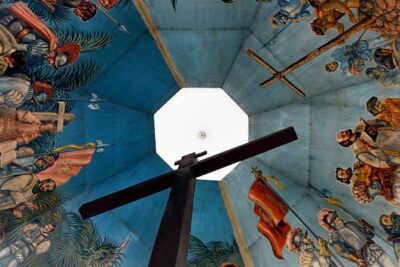
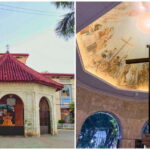
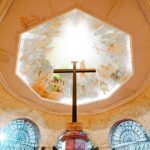
Then comes one of Cebu’s headline sites: Magellan’s Cross. The tour places it in context—where a Christian cross was left by Spanish explorers in 1521, under the leadership of Ferdinand Magellan.
I like this stop because it compresses a lot of historical meaning into a single location people come to even when they don’t know the whole story. With a guide, you’re not just seeing a symbol—you’re learning what that moment meant in Cebu’s early European contact period.
After Magellan’s Cross, you walk onward toward the Cebu Metropolitan Cathedral area, keeping the storyline tight from explorer-era into later Spanish-era Catholic development.
Cebu Metropolitan Cathedral: WWII damage and a 1950s rebuild
The tour includes the Cebu Metropolitan Cathedral, and you’ll learn that it was destroyed during the Second World War and rebuilt in the 1950s.
This matters because it shows history didn’t pause after Spanish settlement. The city kept evolving, and the landmarks kept taking hits—then getting rebuilt. It’s a reminder that “old” places aren’t frozen in time.
For your photos, you’ll likely notice the rebuilt look compared with older architectural styles you saw earlier. For your understanding, you’ll get the timeline angle: Spanish-era beginnings, then twentieth-century impact, then modern restoration.
Local bus moments and small-group pace (how the day really moves)
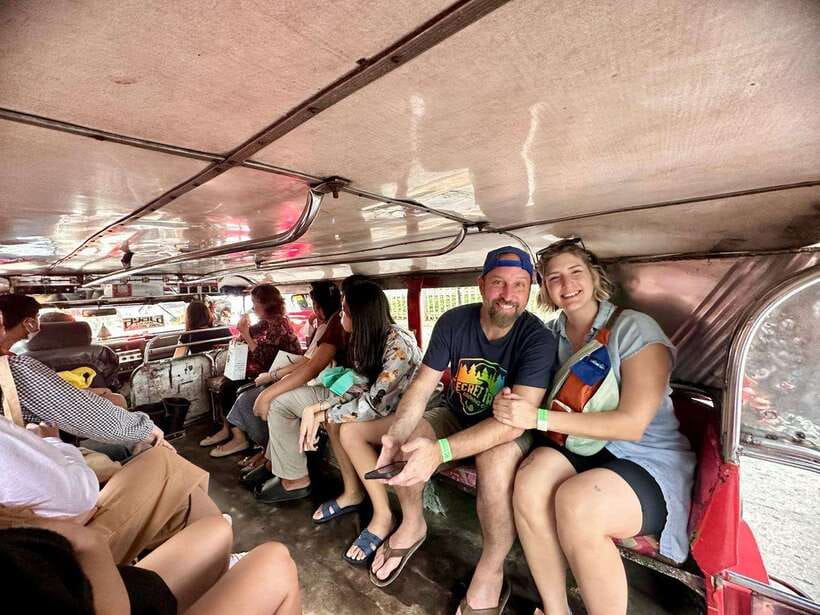
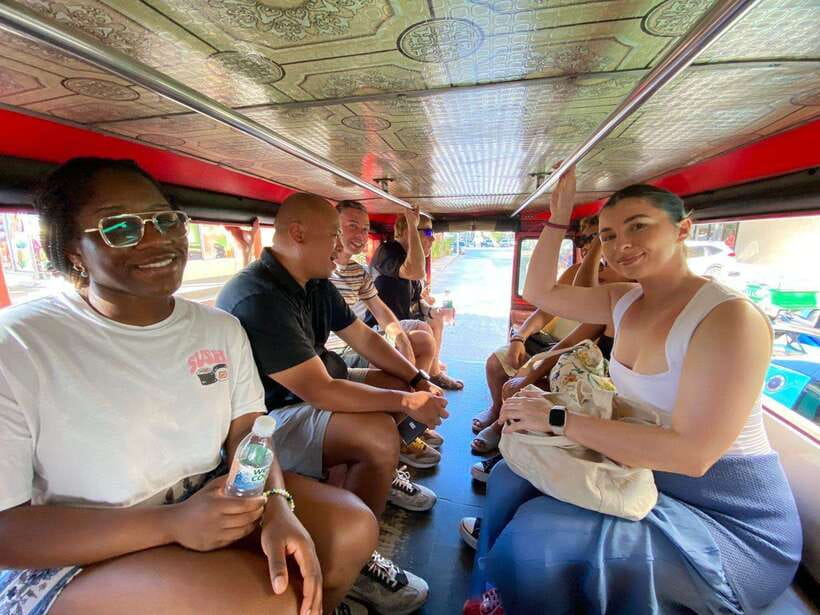
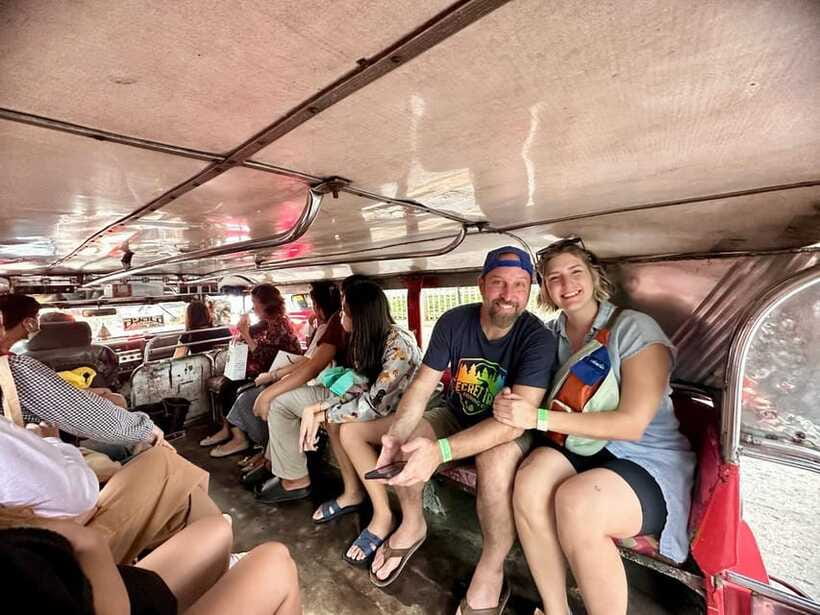
One detail that can make this tour feel more Cebu-real is that the route can include short rides on local buses, not only pure walking. That kind of movement gives you a break from the soles and also helps you see the city rhythm in motion.
Because the group is capped at 10, those transfers don’t turn into chaos. You keep your bearings and get back to the walking loop without losing the thread of the guide’s explanations.
What you should bring (and what the tour won’t tolerate)
You’ll be happier if you show up prepared:
- Comfortable shoes for uneven sidewalks and market areas
- Comfortable clothes you can wear in heat or light rain
- Camera if you want to document coral-stone textures and street scenes
- Cash for food and small extras that may appear along the route
One thing you should not bring: jewelry. It’s listed as not allowed, so plan to travel light.
If you’re the type who hates sandbagging your outfit, this is still manageable. You can go for a simple, practical look and let the sights do the heavy lifting.
Safety and solo-friendliness: what you get from having a guide
Even if you feel confident walking in cities, an organized guide changes the stress level. One of the standout practical benefits in the real feedback is how guides handle logistics at the end—helping you catch a taxi and making sure you leave the tour without feeling stranded.
This is especially relevant around the Carbon Market area and the nearby streets where you might want directions but don’t necessarily want to ask random people.
If you’re traveling solo, I’d view this tour as a “structured plus support” package: you see key spots, you eat, and you finish with someone making sure your next step is clear.
Who should book this Cebu City street and food tour?
This tour is a great match if you:
- Have about half a day and want major Cebu landmarks without planning every turn
- Like street food enough to try balut, not just to photograph it
- Want history explained in English while you walk, not in a quiet lecture
- Prefer a small group (up to 10) so you can ask questions
It may not be your best move if you:
- Want only a light snack tasting and aren’t interested in the sites in detail
- Prefer to DIY every stop with zero structure
- Don’t like food experiences that include strong flavors and smells
In other words: if food is part of how you understand a place, this fits. If food is just a side quest, you might feel the cost more than the payoff.
Should you book? My honest take
If you’re aiming for value, don’t think of this as just a $90 food taste. Think of it as one organized afternoon that combines street food with multiple “big markers” of Cebu’s past: the 1565 church anchor, the Yap Sandiego House from 1680, and the Magellan-era cross from 1521.
I’d book it if you want a guided narrative and you’re willing to try balut. I’d skip it (or keep expectations lower) if you only want a couple snacks and you’re comfortable planning history stops on your own.
FAQ
How long is the Cebu City Historical Street and Food Tour?
The tour lasts 3 hours.
What’s included in the price?
The price includes a tour guide and a guided tour.
Is hotel transfer included?
No, hotel transfer is not included.
Is the tour only walking?
The tour is a walking-based experience, and it can also include local bus rides as part of the route.
What food will I taste during the tour?
The tour includes local street food, including balut, a boiled salted duck egg.
What should I bring and what is not allowed?
Bring comfortable shoes, a camera, comfortable clothes, and cash. Jewelry is not allowed. The tour runs rain or shine.