REVIEW · CEBU CITY
Cebu City: Walking Tour
Book on GetYourGuide →Operated by Hearts of Summer · Bookable on GetYourGuide
Cebu City clicks into place fast. This walking tour pairs big landmarks with the stories behind them, with National Museum context before you hit the older sites, plus night markets when the city lights up. My favorite part is how the route keeps moving without feeling rushed, though there’s one catch: the walk is moderate and the dress code is strict.
I like that it’s built for small groups (up to 10), so you get real back-and-forth with your guide and don’t get swallowed by the crowd. You’ll also hear history in English and Tagalog, which helps a lot when you’re trying to follow details while still taking photos.
If you’re unsure how much walking you want, you can do the whole route (about 3 hours) or go half (about 1–2 hours). The trade-off is that different time slots can visit different places, so check your start time and plan your expectations.
In This Review
- Key things you’ll notice on this Cebu City walking tour
- Cebu City is best on foot, not just as postcards
- Meeting at the National Museum: your easy start and quick win
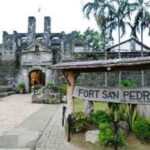
- Fort San Pedro: Spanish-era defense you can actually feel
- Yap–San Diego Ancestral House: how an old Filipino home frames the story
- Magellan’s Cross and Santo Niño Church: landmark, devotion, and meaning
- A quick stop at Heritage of Cebu Monument
- Evening shift: Carbon Night Market, Sugbo Mercado, and night city views
- Price and value: $18 makes sense if you’re budgeting smart
- Walk time and energy: 3–4 km, and you can choose your pace
- Dress code and footwear: don’t show up underdressed
- What this tour feels like with a real guide
- Who should book this Cebu City walking tour?
- Should you book it?
- FAQ
- How long is the walk?
- What time slots are available?
- Where do I meet the guide?
- Is food included?
- What language is the tour guide?
- What’s the group size?
- What should I know about dress code and footwear?
Key things you’ll notice on this Cebu City walking tour
- National Museum orientation before you walk into the Spanish-era sights
- Fort San Pedro gives you that unmistakable walled-fort feel
- Yap–San Diego Ancestral House connects European contact with older Filipino home life
- Magellan’s Cross + Santo Niño Church puts major Cebu devotion and landmarks on the same route
- Carbon Night Market and Sugbo Mercado turn your evening into an easy food-and-street vibe
- You can choose full or half walk depending on energy
Cebu City is best on foot, not just as postcards
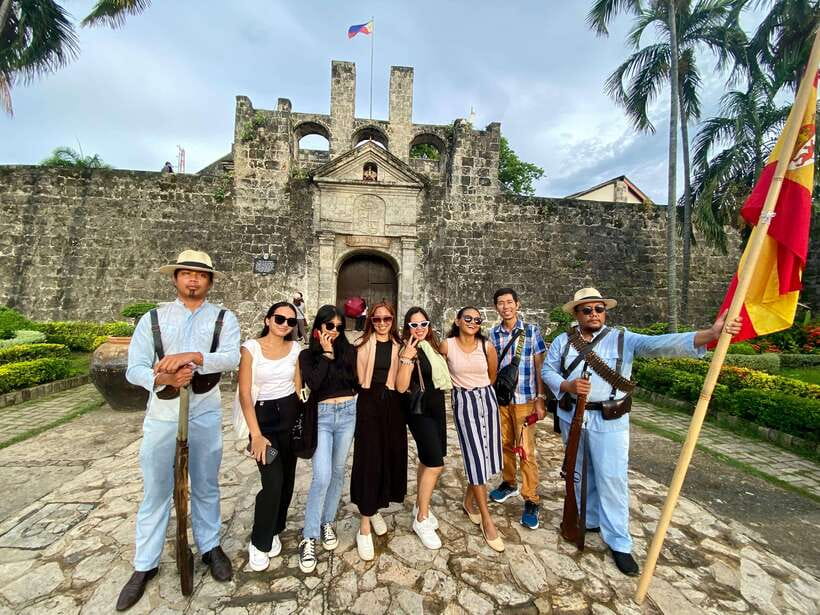
Cebu City can feel like a stopover city unless you give it a guided thread. This tour does that. You start with the National Museum of the Philippines – Cebu near Plaza Independencia, then walk into the older layers of the city—Spanish fortifications, old homes, and iconic devotion spots—before ending with nighttime scenes like Carbon Night Market and Sugbo Mercado.
I like walking tours that don’t treat history like a lecture. Here, the guide’s job is to help you notice what you’re seeing: where the walls change the airflow, why a landmark matters, and how the “old Cebu” world feels different from the modern streets you’re stepping out of.
The day-to-evening flow is also a smart move. You get daylight context first, then night feels like payoff instead of randomness.
You can also read our reviews of more tours and experiences in Cebu City.



Meeting at the National Museum: your easy start and quick win
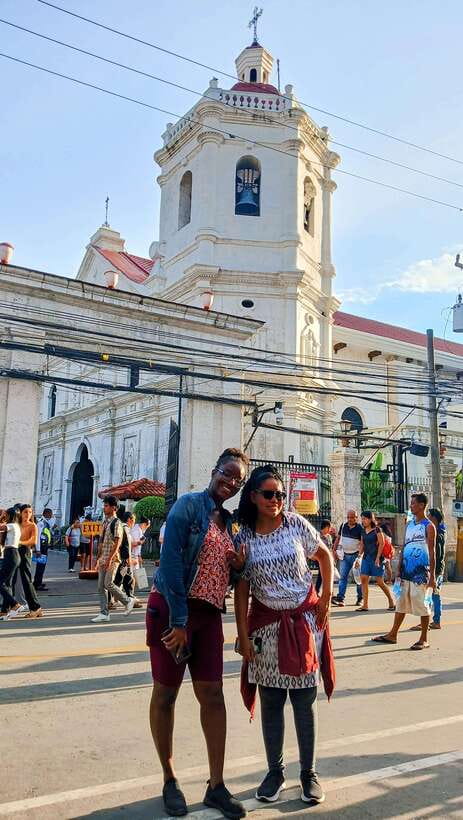
You begin at the National Museum of the Philippines – Cebu, beside Plaza Independencia. The practical win is that the meeting spot is easy to find, and it’s already a place that rewards lingering—so you can settle in even if you’re a little early.
Once you’re there, you go inside the museum and can sit near the museum shop area while everyone arrives. That “start inside” approach matters because Cebu sun can get intense, and you don’t waste your first hour just waiting outside.
What you’re looking for at this point isn’t “how many rooms can I cover.” It’s the big picture: the guide shares stories about Cebu and the Philippines before you jump into later Spanish-era landmarks. That makes the next stops click. Without this step, Fort San Pedro and the cross church can turn into just photo points. With it, they feel like chapters.
Fort San Pedro: Spanish-era defense you can actually feel
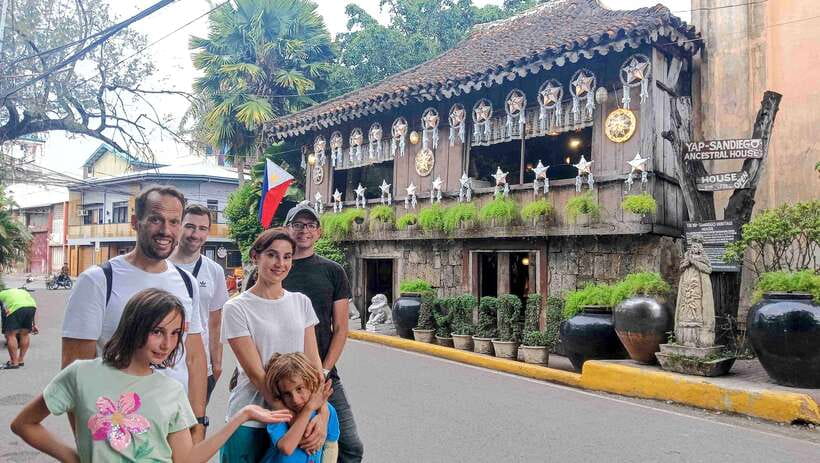
Next up is Fort San Pedro, the old Spanish fortress. Even if you know nothing, the fort gives you immediate body-level understanding—walls, layout, and the physical reminder that this was built for control and protection.
I like this part because it’s also a “slow down” stop. You can look outward, then back at the walls, and the guide helps connect the fortress to how Cebu’s story shifted over time.
One thing to keep in mind: Fort San Pedro has an on-the-ground cost that isn’t included in the main price (PHP 30 cash). So if you’re doing this tour as a tight budget traveler, plan for that small ticket early rather than scrambling later.
Yap–San Diego Ancestral House: how an old Filipino home frames the story
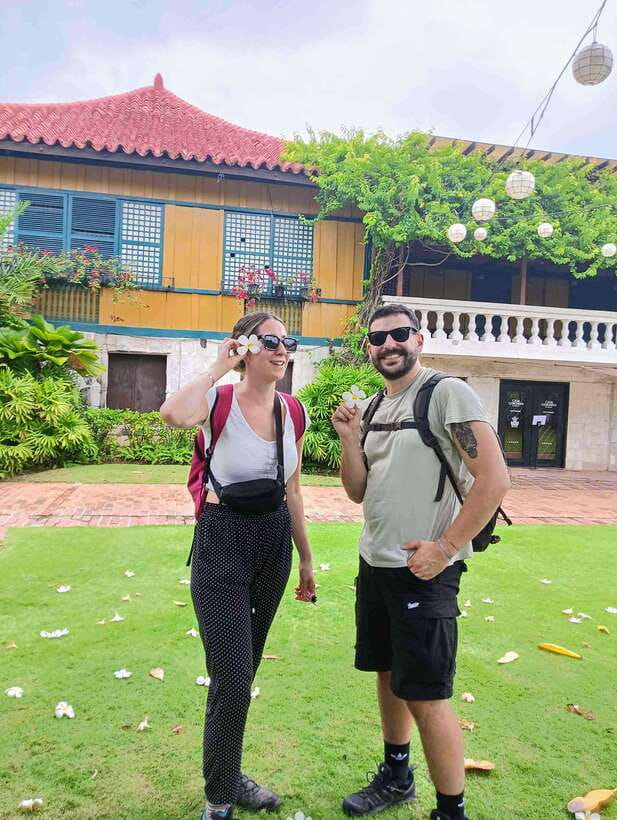
At the Yap–San Diego Ancestral House, you’ll get a feel for everyday life in an old home setting—specifically described as an old Filipino house from the 1600s. This stop is valuable because it adds a human-scale viewpoint to the more official vibe of forts and churches.
You’re not just seeing “old stuff.” You’re getting a sense of how domestic life worked and why the home matters in Cebu’s identity. The guide’s framing is key here: it helps you look past architecture and notice daily patterns—space, movement, and how families lived within that world.
There may be optional add-ons depending on timing (some versions include other museum admission costs), but the ancestral house stop itself is part of the core experience.
Magellan’s Cross and Santo Niño Church: landmark, devotion, and meaning
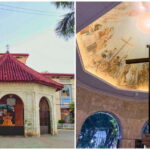
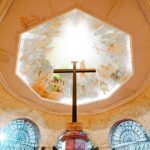
Then you move into Magellan’s Cross and Santo Niño Church. These are two of Cebu City’s most recognizable names, and the value of having a guide is that they connect the landmark sightings to the deeper cultural importance.
If you’ve ever visited a famous church or cross and felt like you were standing in front of a tourist symbol, this stop helps fix that. You’re meant to imagine how people lived and believed before today’s city rhythm took over—so the site stops being just a photo.
This is also where the route becomes practical for timing. The stops are built so you can keep walking without losing the thread. And because the guide is working in English and Tagalog, it’s easier to catch the key ideas even if you’re tired.
You can also read our reviews of more city tours in Cebu City
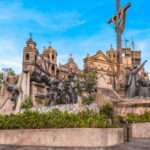
A quick stop at Heritage of Cebu Monument
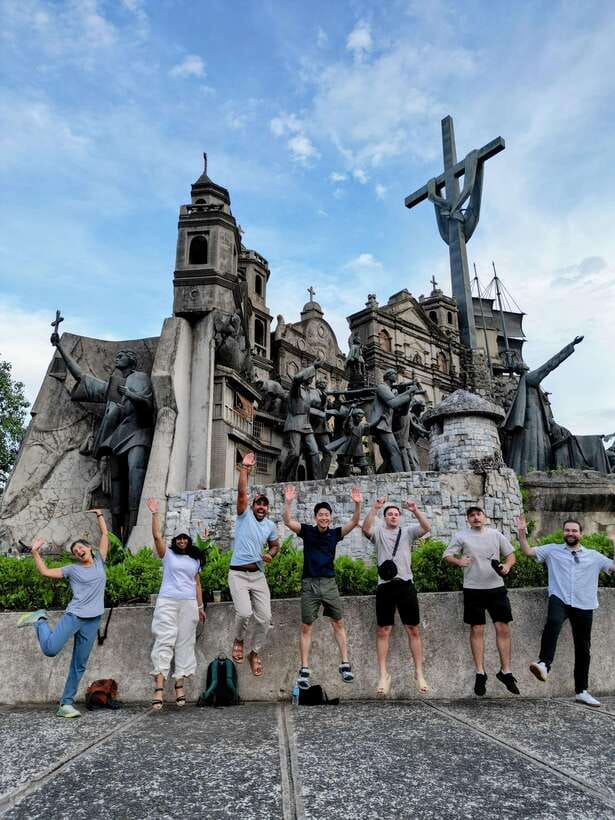
The tour includes the Heritage of Cebu Monument (free). I treat stops like this as “reset moments.” You’ve just absorbed a few heavy historical beats, and this helps stitch the story into something you can summarize later.
It’s also a useful break in pacing. You’re still moving, but you’re not sprinting from one major spot to the next. For me, that matters on a walking tour—energy management is part of enjoying it.
Evening shift: Carbon Night Market, Sugbo Mercado, and night city views
This tour turns the lights on after dark. Depending on the time slot, you can do an evening meeting at 19:30, with the meeting point at McDonald’s Magellans Cross. The plan is to meet inside McDonald’s, near the entrance or close to the counter.
That evening format is smart: you get the city landmarks earlier and then night feels like a different mode of Cebu instead of a rushed sprint at the end.
The highlights for the night include:
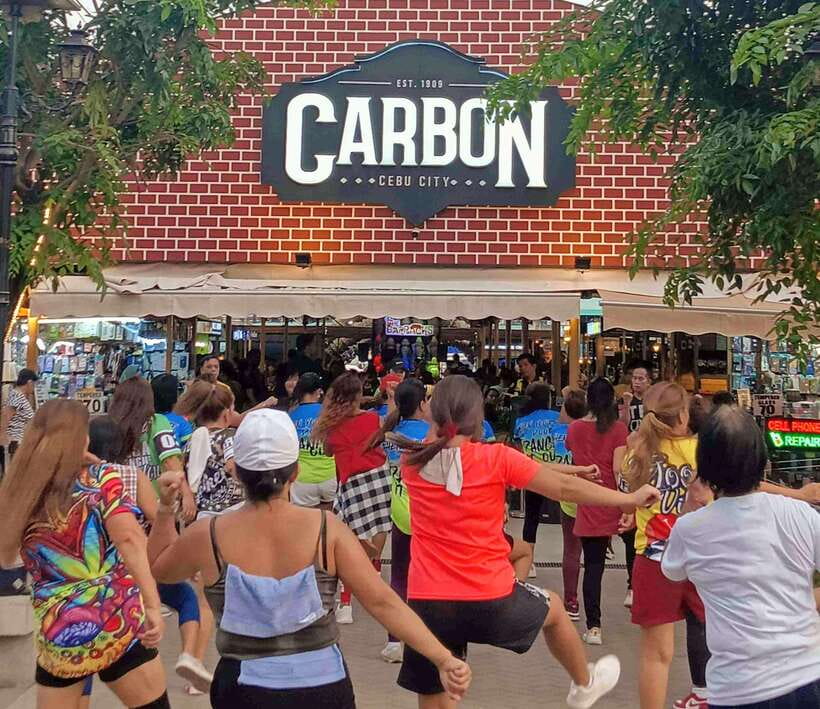
- Carbon Night Market
- Sugbo Mercado
- a chance to enjoy the city view from a roof deck
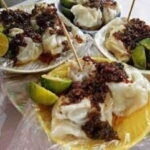
I love night markets because they’re practical. You can nibble and move. But they’re also noisy, so having a guide keeps you from drifting into a purely random food crawl. You’re tasting with context, not just buying whatever looks closest.
Food isn’t included, though. You should budget for snacks/drinks if you want to try things—there’s a stated estimate of PHP 250 for drink refreshments/food tasting, and optional totals can run higher.
Price and value: $18 makes sense if you’re budgeting smart
The price shown is $18 per person, and that’s the part that surprised me in a good way. It’s not just “someone walks with you.” The tour includes a guide, walking time, and key free-entry stops like:
- National Museum of the Philippines – Cebu
- Magellan’s Cross
- Santo Niño Church
- Heritage of Cebu Monument
However, some costs aren’t included and show up as cash fees on the ground. Based on the provided costs, you may need:
- Fort San Pedro: PHP 30 cash
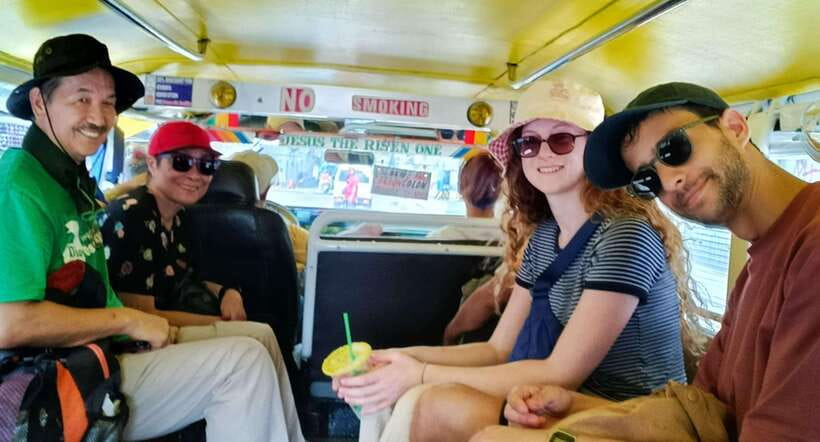
- Possible jeepney: PHP 15 cash
- Possible Casa Gorordo Museum: PHP 150 cash
- Food/drink tasting: about PHP 250
And total expenses mentioned for extras can be PHP 250–500.
Here’s how I think about value. If you’re only going to see the free landmarks on your own, you’ll still pay for entry at Fort San Pedro and you’ll likely miss the story glue that makes them meaningful. If you’re going to eat anyway, budgeting PHP 250 for sampling keeps you from overthinking the evening.
So the $18 covers the structure and the guiding. The cash fees cover the optional “you can’t skip it” entries and the parts that are naturally flexible: snacks and any added museum time.
Walk time and energy: 3–4 km, and you can choose your pace
The tour is about a 3–4 kilometer walk. That’s not a marathon, but it’s also not “stroll through coffee shops.” You’ll need a moderate level of fitness, especially in warmer hours.
Good news: the tour can be adjusted. You can do the whole walk (about 3 hours) or go half (about 1–2 hours). Family groups with kids are welcome, but kids may need to cut the walk short.
One detail I’d plan around: walking time can vary with the group’s pace and stamina. That means you shouldn’t schedule something tight right after your tour ends. Give yourself buffer time, particularly if you’re going from the afternoon slot to evening plans.
Also, the route can vary by start time, so the exact mix of stops can shift. The guide will adapt, but your best move is to commit to your chosen time slot based on how you want your day to feel: history-forward daytime or landmark-to-night-market energy.
Dress code and footwear: don’t show up underdressed
This tour has clear rules: no shorts and nothing above the knee, and no slippers. Also, shawls for covering aren’t allowed.
That matters because you might otherwise plan like you would for a casual city walk. In Cebu’s climate, it’s tempting to dress light—but you’ll need to match the rules. Wear breathable, covered clothing and comfortable shoes designed for walking. If you’re unsure, pack a safe backup outfit that meets the restrictions, and you’ll save yourself stress at check-in.
If you’re doing the evening portion, remember: night markets can mean more time on your feet. So prioritize shoes that you can walk in for 1–3 hours comfortably.
What this tour feels like with a real guide
The strongest theme from the tour’s feedback is about the guide’s energy and storytelling. In particular, the guide (Chris) is often described as charismatic and generous, and that matters because Cebu history is easy to misread if you only rely on signage.
Chris’s style, as reflected in past experiences, focuses on connecting the sites into a story you can follow. You’re not just hearing facts—you’re getting help to interpret what the landmarks represent and why the order of stops matters.
If you like tours where questions are welcome and you get to ask about what you’re seeing, this one fits that style well.
And since the group is limited to 10, you’re more likely to get time with your guide rather than feeling like you’re listening over the shoulder of a stranger.
Who should book this Cebu City walking tour?
Book it if:
- you want a history-to-night route that makes the city feel like one connected experience
- you like walking tours where you learn the meaning of landmarks, not just where to stand for photos
- you’re okay with a 3–4 km walk and want a choice between half and full duration
- you want the guide support for both daytime heritage stops and evening market time
Consider skipping or adjusting if:
- you hate strict dress rules (no shorts, no slippers, shawls not allowed)
- you’re looking for a fully independent tour with zero cash fees—extras like Fort San Pedro (PHP 30) and optional museum/food costs will likely apply
- you’re only interested in nightlife and don’t want the heritage context
Should you book it?
Yes—if you want Cebu City to feel like a real place you understand, not just a checklist of famous spots. The $18 price works best when you value a guide who connects the museum-to-fort-to-church sequence, then carries that momentum into Carbon Night Market, Sugbo Mercado, and night city views.
If you’re traveling with kids or you’re unsure about stamina, choose the half-walk option and tell the guide your limit upfront. And if you’re budget-minded, bring some cash for Fort San Pedro (PHP 30) and keep a bit aside for snacks. Do those two things, and this tour becomes a smart, cost-effective way to get the story and the vibe of Cebu in a single day.
FAQ
How long is the walk?
The full walk is about 3 hours, and the half walk is about 1–2 hours. The tour involves a 3–4 kilometer walk overall.
What time slots are available?
Daytime slots are 09:30 and 14:30. There’s also an all-evening meeting time slot at 19:30.
Where do I meet the guide?
For daytime, you meet at the National Museum of the Philippines – Cebu beside Plaza Independencia. For the evening slot, you meet at McDonald’s Magellans Cross, inside near the entrance or close to the counter.
Is food included?
No. Food is not included, so you’ll need to bring your own or buy along the way.
What language is the tour guide?
The live tour guide speaks English and Tagalog.
What’s the group size?
It’s a small group limited to 10 participants.
What should I know about dress code and footwear?
Shawls for covering aren’t allowed. Shorts are not allowed, and clothing above the knee is not allowed. Slippers are also not allowed.