REVIEW · CEBU CITY
Cebu and Mactan: Twin City Culture and History Half-Day Tour
Book on GetYourGuide →Operated by The Baron Travel Corporation · Bookable on GetYourGuide
Two cities, one epic story. I like how the day links Cebu’s big Spanish-era landmarks to Mactan’s showdown with Magellan, and I also like the way a real, on-the-spot English guide (one guide named Rosh is known for making it all click) keeps the details human. The one drawback to plan around: five hours is tight, so you’ll need to enjoy quick stops rather than lingering.
This is a good value half-day when you want a lot of stops without arranging multiple tickets or drivers. You’ll get hotel pickup and drop-off in Cebu City and Mactan Island, plus transportation, a live guide, and entrance fees—handy if your time window is short. Just remember meals and drinks aren’t included, so you’ll want a snack plan before or after.
If you like history but also appreciate practical culture, you’ll probably enjoy this route. It mixes churches and fortifications with daily-life museums and even a factory where you can see how Philippine guitars are made.
In This Review
- Key Things to Know Before You Go
- First Stop: Magellan’s Cross and the Basilica Minore in Cebu
- Fort San Pedro and Colon Street: Cebu’s Oldest Spanish Heart
- Casa Gorordo and Museo sa Sugbu: Two Ways to See Cebu Heritage
- Crossing to Mactan via Mandaue: A Quick Reality Check
- Church of Our Lady of the Rule and Liberty Shrine: Magellan’s Defeat, Local Memory
- The Guitar Factory in Mactan: Craft You Can Actually Watch
- Price and Timing: Is This $116 Half-Day Worth It?
- The Human Touch: Guides and Drivers Make the Difference
- Practical Tips to Get More Out of the Route
- Should You Book This Cebu and Mactan Half-Day Tour?
- FAQ
- How long is the Cebu and Mactan tour?
- What’s included in the price?
- Are meals and drinks included?
- Where are hotel pickups offered?
- Is the tour guide English-speaking?
- What should I do if I don’t receive my pickup email?
- Is there free cancellation?
Key Things to Know Before You Go
- Cebu and Mactan in one shot: you’ll see major landmarks in both places during a tight 5-hour loop.
- Iconic Cebu stops first: Magellan’s Cross, Basilica Minore, and Fort San Pedro front-load the most recognizable sights.
- Two very different museums: Casa Gorordo focuses on elite Spanish-Filipino life, while Museo sa Sugbu adds another layer of Cebu heritage.
- Mactan’s spiritual and national memory: you’ll visit the Church of Our Lady of the Rule and end at the Liberty Shrine tied to Lapu-Lapu.
- A working guitar factory: you’re not just looking at history; you’ll also watch how local craft turns into instruments.
First Stop: Magellan’s Cross and the Basilica Minore in Cebu
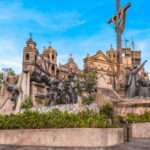
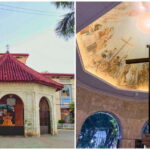
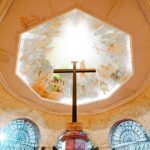
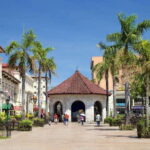
Cebu City starts you off with the kinds of landmarks people always remember. The tour begins at Magellan’s Cross, placed in Cebu City in 1521 by Ferdinand Magellan, when the area’s Christianization story became part of Spain’s influence in the region. It’s one of those sites where the setting matters: you’re standing at a symbol that became a focal point for centuries of identity.
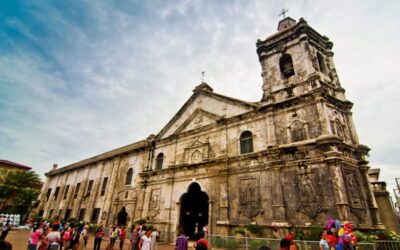
From there, you head to the Basilica Minore of the Child Jesus. This is home to the image of Jesus as a Child, presented as a gift from Magellan to Queen Juana, the first Christian Filipina. Even if you’re not a big religious-architecture person, the human backstory makes the stop land—this is the kind of detail that helps you understand why locals treat the place with real emotional weight.
One practical note: these early stops can mean crowds and faster pacing. If you’re the type who wants slow, long looks, you’ll have to choose your moments and get your photos early.
You can also read our reviews of more city tours in Cebu City
Fort San Pedro and Colon Street: Cebu’s Oldest Spanish Heart
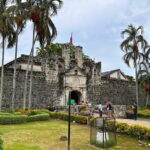
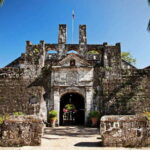
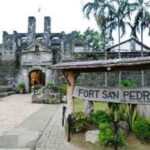
Next comes Fort San Pedro, described as the oldest Spanish fort in the Philippines. It dates back to 1565 and was built of coral stone to protect the city that became the first Spanish settlement in Asia. What I like about forts is simple: they help you understand why a city grew where it did, because defense shapes everything—roads, ports, and power.
After Fort San Pedro, you’ll drive down Colon Street to Plaza Parian. This is a short but meaningful change of pace: you’re shifting from a military structure to a more public, everyday area. Your guide also includes a stop at Casa Gorordo along the way, which is where the tour starts to show you what elite life in the 1700s felt like.
This part of the route is also a good example of why a guide matters. Without someone to connect the dots, you might see buildings and miss the story that links them.
Casa Gorordo and Museo sa Sugbu: Two Ways to See Cebu Heritage
You’ll step into Casa Gorordo, a museum focused on the elegant lifestyle of the 18th-century Spanish/FIlipino elite. The value here is perspective: instead of only looking at what rulers and armies did, you get a sense of how wealth and culture looked inside real homes. It’s the kind of stop that makes you think about daily life, not just major events.
Then the tour wraps the Cebu City heritage portion with Museo sa Sugbu. This museum helps round out what you’ve seen so far by adding more context to Cebu’s identity and culture. I like that the tour doesn’t just repeat the same style of sight. You move from a home-life museum feel to another heritage lens, so the day keeps changing gears.
If you’re short on time in Cebu, this museum pair is smart. It keeps the schedule tight while still giving you more than one angle on history and culture.
Crossing to Mactan via Mandaue: A Quick Reality Check
After Cebu, you cross to Mactan Island, passing through Mandaue. This isn’t a random driving segment—it’s your first clue that Cebu and Mactan aren’t just postcard history. Mandaue is known for furniture factories, and seeing that industrial side helps you place the day in the modern Philippines.
I find this transition useful because it prevents the tour from feeling like a museum-only experience. You still get the historical stops, but the route gently reminds you that this region produces real goods and jobs today.
Expect the pace to stay brisk here. You’ll move from the heritage sites into a more working, craft-and-faith mix.
Church of Our Lady of the Rule and Liberty Shrine: Magellan’s Defeat, Local Memory
In Mactan, the tour begins with the Church of Our Lady of the Rule. People who visit the national shrine often believe that Mactan’s economic success connects to the church’s namesake. Even if you don’t treat that as fact, the belief itself tells you something important: religion, community, and prosperity are braided together in local thinking.
From there, you finish at the Liberty Shrine, on the battleground tied to Magellan’s defeat by Lapu-Lapu. A larger-than-life statue of Lapu-Lapu stands above mangrove trees and the battlefield area. This ending stop is powerful because you’re not just hearing about a battle—you’re seeing the geography where it happened.
One thing to plan for: this is a scene you’ll want to photograph, but you may also have to work with heat and sun. If you’re going during brighter hours, bring something for your face and stay hydrated on your own.
You can also read our reviews of more historical tours in Cebu City
The Guitar Factory in Mactan: Craft You Can Actually Watch
Between the church and the final shrine, you’ll visit a guitar factory to see how Philippine guitars are made. This is one of the smartest inclusions in the whole itinerary, because it adds a living-skill element to a day heavy on historical sites.
I love stops like this because they answer a different question than museums do. Museums tell you what something means. A factory shows you how something is made, step by step—and that makes the cultural connection more concrete.
Even if you’re not shopping, watching the process can be fascinating. And if you are interested in guitars, this is the rare chance to see craftsmanship without turning your day into a store crawl.
Price and Timing: Is This $116 Half-Day Worth It?
At $116 per person for a 5-hour tour, the value comes from packing a lot into one coordinated route. You’re not only paying for a guide; you’re also paying for hotel pickup and drop-off across Cebu City and Mactan Island, transportation between multiple sites, and entrance fees for the museums and attractions.
What makes it feel worth it is the mix:
- You hit major Cebu anchors like Magellan’s Cross, Basilica Minore, and Fort San Pedro.
- You add two museums (Casa Gorordo and Museo sa Sugbu) instead of just one.
- You carry that story into Mactan with church + battlefield + factory.
The trade-off is time. There’s no space for a slow, deep visit at every stop. If you’re the kind of traveler who likes to sit and read every sign, you’ll likely feel rushed.
Also, meals and drinks aren’t included, so don’t rely on the tour to keep you comfortable. I’d plan a light breakfast or an early snack, and then eat after. Simple.
The Human Touch: Guides and Drivers Make the Difference
A tour like this lives or dies on the guide’s pacing and storytelling. One of the best bits of feedback tied to this experience mentions a guide named Rosh, who brought the tour to life and even took photographs so you could be in them. That small detail matters more than it sounds, because it saves you from playing solo tourist at every stop.
The driver also matters for a schedule with multiple legs. In one account, Rydel was described as fantastic and very patient when extra time was needed at certain locations. That’s exactly what you want on a half-day—someone who can keep you moving without snapping your attention in half.
Practical Tips to Get More Out of the Route
Bring a little strategy and you’ll enjoy the day more.
- Wear comfortable shoes for uneven outdoor areas, especially at the shrine.
- Have small cash ready for personal purchases, since meals and drinks aren’t included.
- If you care about photos, try to get them early at each landmark before crowds thicken.
- Don’t forget sun protection. This route includes outdoor viewpoints and battlefield grounds.
If your goal is to understand how Cebu and Mactan became what they are—Spanish influence, Filipino resistance, and today’s local craft—this itinerary is built for that.
Should You Book This Cebu and Mactan Half-Day Tour?
Book it if you want a strong orientation to both cities in one guided session. It’s especially good for first-timers who want major historical anchors plus a real-world craft stop at the guitar factory, without arranging separate transport and tickets.
Skip it (or consider a slower alternative) if you hate time pressure. With multiple major stops across two islands, you’ll get great highlights, but you won’t have hours to linger at one place.
FAQ
How long is the Cebu and Mactan tour?
It runs for 5 hours.
What’s included in the price?
The tour includes hotel pickup and drop-off (from listed hotels), transportation, a tour guide, and entrance and admission fees.
Are meals and drinks included?
No. Meals and drinks are not included.
Where are hotel pickups offered?
Pickups are offered from selected Cebu City hotels and from Mactan Island resorts. The tour lists specific partner pickup locations for both areas.
Is the tour guide English-speaking?
Yes, the live tour guide speaks English.
What should I do if I don’t receive my pickup email?
You should check your spam folder. If you still don’t have it, contact the local partner to confirm your exact pickup time and location.
Is there free cancellation?
Yes. You can cancel up to 24 hours in advance for a full refund.
If you want, tell me your hotel name (Cebu or Mactan) and your travel dates, and I’ll help you map what time-of-day feel this tour will have and how to plan a simple food break around it.