REVIEW · CEBU CITY
Mactan and Cebu Twin City Tour with Lunch
Book on GetYourGuide →Operated by Travelite Travel and Tours · Bookable on GetYourGuide
Cebu’s history starts before breakfast. This full-day Cebu and Mactan tour strings together Cebu City’s best-known landmarks, from Magellan’s Cross to the Lapu-Lapu statue on Mactan, with a couple of culture stops that feel less touristy than the usual checklists. I really like that the guide adds clear context (so the places make sense), and I also love the mix of big monuments and local craft, especially the traditional guitar factory. The only real drawback is that it’s a long, packed 7 hours, so you’ll want comfortable shoes and a flexible attitude about pacing.
What makes it work in real life is the people. In the strong examples shared from this tour, guides like Miss Belle (Annabelle) and Liz pair practical timing with stories that stick, and driver Carlo has a reputation for handling Cebu traffic well. Since it’s a private group with hotel pickup in Cebu City, the day feels organized instead of chaotic.
I also appreciate that the “pay attention” parts are balanced with actual downtime. Lunch is included if you pick the lunch option, and one highlighted stop was a buffet called PUSO with plenty of food and attentive service. Plus, entrance and admission fees are handled, so you spend less time scanning tickets and more time looking closely at what you came for.
In This Review
- Key things to know before you go
- Cebu’s Sacred and Spanish-Era Anchors: Magellan’s Cross to Fort San Pedro
- Yap Ancestral House and Cebu Taoist Temple: a calmer side of the city
- Lunch in Cebu City: what you get and what to plan for
- Marcelo Fernan Bridge to Mactan: Lapu-Lapu’s 20-meter bronze shrine
- Traditional guitar-making in Mactan: craft you can actually watch
- Price and logistics: is $116 worth your 7 hours?
- Who should book this Cebu and Mactan twin-city tour?
- Should you book this Cebu and Mactan tour with lunch?
- FAQ
- What is the duration of the Mactan and Cebu Twin City Tour with Lunch?
- Where does hotel pickup happen?
- What sights are included in the tour?
- Is lunch included?
- Are snacks and drinks included?
- What’s included in the price?
- What languages does the tour guide speak?
- Is this tour a private group?
- How is transportation described?
- Can I cancel, and is pay-later available?
Key things to know before you go
- A tight 7-hour route that covers both Cebu City and Mactan, with a bridge crossing mid-day
- Big historical anchors like Magellan’s Cross and the Basilica of the Holy Child
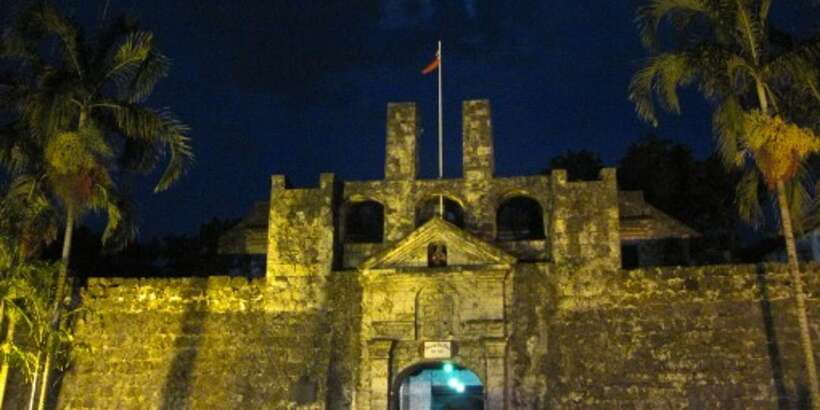
- Local culture stops including Fort San Pedro, an ancestral house packed with antiques, and Cebu Taoist Temple views
- Lunch is a real meal, not just a quick snack stop (and drinks/snacks aren’t included)
- Mactan payoff with the 20-meter bronze Lapu-Lapu shrine and a traditional guitar factory visit
- Transportation gets top marks, with 91% of reviewers rating it perfect
Cebu’s Sacred and Spanish-Era Anchors: Magellan’s Cross to Fort San Pedro
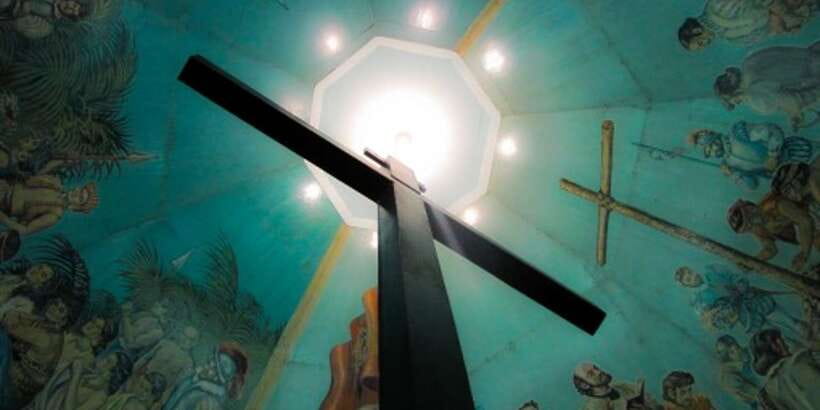
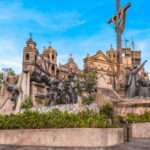
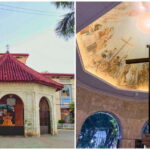
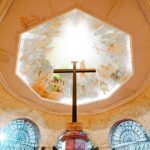
You start at Magellan’s Cross, Cebu City’s best-known landmark, kept in a chapel and tied to the story of Ferdinand Magellan’s arrival in 1521. The point here isn’t just the photo. It’s the sense that this city has been a crossroads of belief, power, and trade for centuries, and you’re standing at one of the earliest symbols people still reference.
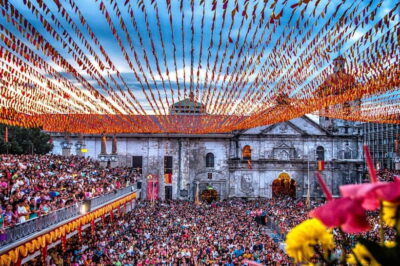
A few steps away is the Basilica of the Holy Child, an Augustinian church that was made a basilica in 1965 during the 400th-year celebrations of Christianity in the Philippines. I like this stop because it’s structured and meaningful: you get the setting, the history, and the specific relic—the figure of the Holy Child of Cebu, described as the country’s oldest relic. Built of hewn stone, it feels solid and old in a way that’s easier to understand when you hear the context out loud.
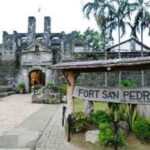
Then you head to Fort San Pedro. This one brings you back from religion to everyday history—built by Spanish and indigenous Cebuano laborers—so the story stays grounded. Fort walls and guard spaces can feel intimidating if you only see them as architecture, but with a guide, it becomes more human: who built it, why it mattered, and how the city defended itself.
What I’d watch for: you’ll likely do some walking and standing at several key monuments in succession. If you’re the type who loves lingering for long photos, don’t plan on taking your time at every stop—this tour prioritizes coverage and context.
You can also read our reviews of more city tours in Cebu City
Yap Ancestral House and Cebu Taoist Temple: a calmer side of the city
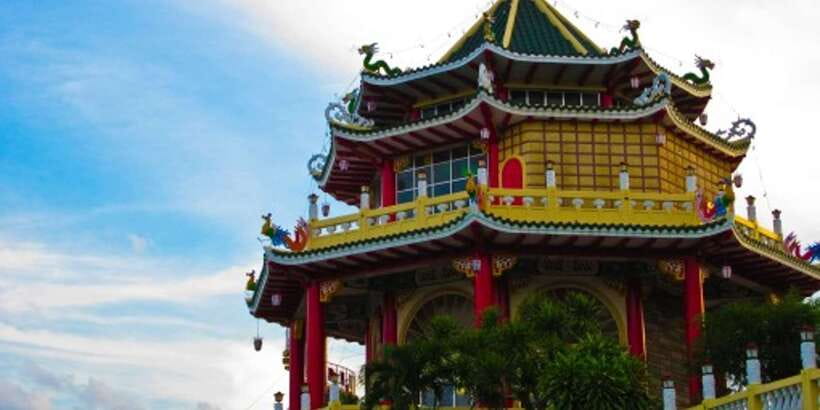
After the major historical hits, the day slows down in a good way at the Yap Ancestral House. This is a home that’s described as around 300 years old and now used to showcase a personal collection of antiques. It’s one of those stops where you start noticing small details—materials, age, and what families chose to keep—rather than just collecting signatures of famous landmarks.
I enjoy this kind of visit because it shows Cebu as a living place with continuity, not just a stage set for the 1500s. Even if antiques aren’t your thing, the house gives you a different angle on local identity and wealth over time, and it makes the rest of the tour feel more complete.
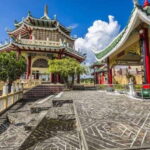
Next comes Cebu Taoist Temple, with time for a peaceful visit and views back toward Cebu City plus nearby cities including Mandaue and Lapu-Lapu. This is a smart pivot point in the day. You’ve been in history and heritage; now you get a visual map of where everything sits, which helps later when you’re crossing to Mactan.
Small practical tip: go in with your camera ready, but also take a moment to just look. Viewpoints like this are where the city’s geography becomes clear, and that clarity makes the rest of your trip around the islands easier to navigate.
Lunch in Cebu City: what you get and what to plan for
Lunch happens after your temple viewpoint, at a local restaurant. If you choose the lunch option, lunch is included, and one lunch stop that has been praised is a buffet at PUSO, noted for having lots of food and attentive staff. That feedback matters because buffets can be hit-or-miss, and here the impression is consistently positive.
Now for the practical side: snacks and drinks aren’t included. So if you tend to sip water all day (smart idea in this part of the world), plan to buy your own. Also, you’ll want to eat with the bridge crossing in mind—you don’t want a heavy, slow-to-digest meal if you’re going to keep moving after lunch.
Why this lunch moment is valuable: it’s not just a break. It’s the handoff from Cebu City’s old center toward Mactan’s story, and a proper meal keeps the rest of the tour from feeling like a rushed sprint.
Marcelo Fernan Bridge to Mactan: Lapu-Lapu’s 20-meter bronze shrine
After lunch, you cross to Mactan Island using Marcelo Fernan Bridge, which connects Cebu City and Mactan. This drive matters more than you might think. The bridge crossing is when the tour shifts from “Cebu City history” to “Mactan legacy,” and you’ll feel it in the sites you see next.
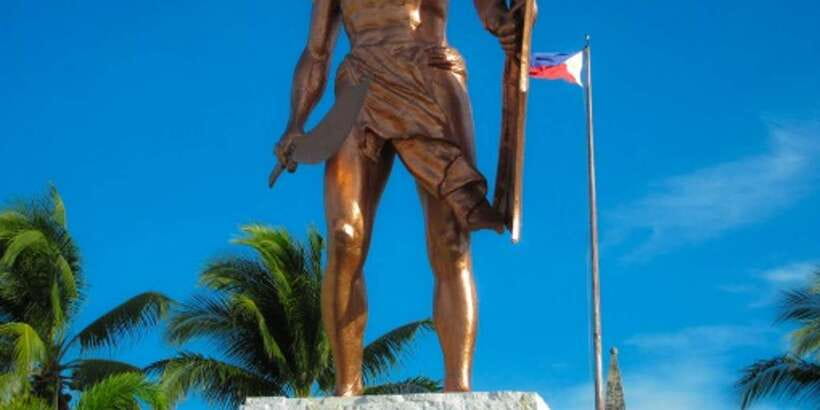
Your first Mactan stop is the Lapu-Lapu shrine, anchored by a 20-meter bronze statue built in honor of indigenous hero Datu Lapu-Lapu. This is the kind of monument that’s hard to fake with a picture. Up close, the scale is the point, and the symbolism lands stronger when you’re not only hearing it, but also seeing how the site was designed to memorialize him.
I like that this stop adds a different perspective to the story you started with in Cebu City. You go from the Magellan-linked symbol to a local hero honoring indigenous resistance and identity. That contrast makes the day feel less like a single straight line and more like a conversation between histories.
Watch-out for pacing: you’ll likely be moving again right after the monument stop. If you’re sensitive to heat or fatigue, pace yourself there—hydrate before you reach Mactan so you’re comfortable for the next activity.
Traditional guitar-making in Mactan: craft you can actually watch
The tour finishes with a visit to a local guitar factory, where you can see how traditional Philippine guitars are made. This is a great final stop because it shifts you from viewing history to seeing living skill.
A factory visit can sometimes feel like a sales stop, but the value here is that you get to watch how the process works and connect the craft to the broader cultural scene. Even if you don’t buy anything, it’s a satisfying way to end a day that started with centuries-old religious and historical landmarks.
What to do with your time: ask questions if your guide encourages it, and take note of details you wouldn’t catch from a showroom. When a guide points out how certain parts are shaped or assembled, it gives you a story you can carry home.
You can also read our reviews of more tours and experiences in Cebu City


Price and logistics: is $116 worth your 7 hours?
At $116 per person for a 7-hour tour, this isn’t a “cheap and cheerful” option. It’s priced like a full-day guided program with transportation and admission fees included. For me, the value equation comes down to two things: how much is handled for you, and whether the day feels efficient without being stressful.
On the handled-for-you side, you get hotel pickup and drop-off in Cebu City, transportation, a live tour guide (English and Japanese), and entrance/admission fees. That removes the usual friction of coordinating multiple sites on your own. And the transportation is widely praised, with 91% of reviewers rating it perfect—meaning you’re less likely to waste time on bad timing or uncomfortable drives.
On the efficiency side, the schedule is ambitious: Cebu’s main heritage landmarks, then Fort San Pedro, the ancestral house, the Taoist temple viewpoint, lunch, the bridge crossing, Mactan’s major monument, and the guitar factory. That’s a lot for one day. If you like to linger, you may feel “tour mode” more than “wander mode.”
Balanced take: for most people, this price makes sense because you’re paying for story + routing + entry fees, not just a bus ride. If you’re already comfortable driving around Cebu and you’re the kind of traveler who builds their own history route, you could do it independently. But if you want a guided day where the sites connect in a clear narrative, $116 is a reasonable buy.
Who should book this Cebu and Mactan twin-city tour?
This tour is a strong fit if you want a guided overview of Cebu’s famous cultural sites and Mactan’s major monument, all in one day. It’s also ideal if you’ll appreciate the historical context—especially when guides like Miss Belle (Annabelle) or Liz bring the 1500s-era landmarks into focus. I’d also put it on your shortlist if you care about end-to-end professionalism, since Carlo has been specifically praised for handling traffic.
It may not be the best match if you hate structured days or you want slow, flexible exploring with lots of unscheduled stops. This route is designed to move. You’ll hit a lot of places, but you won’t have hours to sprawl in one museum-like spot.
Where it shines most: first-timers to Cebu who want the highlights, travelers who enjoy heritage sites when there’s a guide to connect the dots, and visitors who like practical craft visits like the guitar factory.
Should you book this Cebu and Mactan tour with lunch?
If you’re aiming to see Cebu City’s core landmarks and then get a meaningful Mactan stop (Lapu-Lapu plus a craft visit) without coordinating multiple tickets and transport pieces, I’d book this. The strongest reason is the combination: solid guided storytelling, good transportation, and a lunch break that’s actually worth looking forward to when you pick the lunch option.
Just go in with two expectations: it’s a full day, and drinks/snacks won’t be covered. If you pack water, wear comfortable shoes, and let the guide set the pace, you’ll get a day that feels like more than a checklist.
FAQ
What is the duration of the Mactan and Cebu Twin City Tour with Lunch?
The tour lasts 7 hours.
Where does hotel pickup happen?
Pickup is included from your hotel in Cebu City.
What sights are included in the tour?
The tour includes Magellan’s Cross, the Basilica of the Holy Child, Fort San Pedro, the Yap Ancestral House, Cebu Taoist Temple, the Lapu-Lapu shrine, and a local guitar factory, with transportation across to Mactan via Marcelo Fernan Bridge.
Is lunch included?
Lunch is included if you choose the lunch option.
Are snacks and drinks included?
Snacks and drinks are not included.
What’s included in the price?
Hotel pickup and drop-off, transportation, a tour guide, entrance and admission fees, and lunch if you select the lunch option.
What languages does the tour guide speak?
The live tour guide speaks English and Japanese.
Is this tour a private group?
Yes, the tour is a private group.
How is transportation described?
Transportation is described as highly rated, with 91% of reviewers giving it a perfect score.
Can I cancel, and is pay-later available?
Free cancellation is available up to 24 hours in advance for a full refund, and you can reserve now and pay later.