Cebu City feels like two worlds at once. This tour slices through the modern streets to show the mix of faith, trade, and old Spanish-era footprints in a tight 3-hour run. I like the hotel pickup and drop-off, because it saves time and keeps you out of the taxi math. I also like that the sites are walkable and story-driven, so even short stops feel connected. One thing to consider: a few moments are intentionally brief, so if you want lots of time inside each place, this may feel a bit compressed.
The biggest payoff is how smoothly the route links different chapters of Cebu to each other. You’ll move from a Chinese-built Taoist temple to merchant-era homes, then straight to the landmark Christian sites. The only real drawback I’d flag is value perception: at $38 for a 3-hour circuit, it’s best if you care about guided interpretation—not if you’re mainly looking for long, slow sightseeing stops.
In This Review
- Key highlights worth your attention
- Why this Cebu City circuit works in about 3 hours
- Pickup, traffic, and the value of private transport
- Taoist Temple (Beverly Hills Subdivision): Chinese Cebu in 1972
- Heritage of Cebu Monument: a quick tableau of the city’s turning points
- Yap-Sandiego Ancestral House: merchant life from 1675 to 1700
- Magellan’s Cross: a short stop with big 1521 context
- Basilica Minore del Sto. Nino de Cebu: oldest Catholic church and dress sense
- Price and logistics: what $38 gets you (and what it doesn’t)
- What the guides really add: stories that connect the stops
- Who this Cebu City Tour is best for
- Should I book the Cebu City Tour?
- FAQ
- How long is the Cebu City Tour?
- What does the Cebu City Tour cost?
- Is hotel pickup and drop-off included?
- Is this tour private?
- Which stops are included?
- Are entrance tickets included?
- Are food and drinks included?
- Is there a guide, and can I upgrade to a certified guide?
- Are there any rules for children?
- What is the cancellation policy?
Key highlights worth your attention
- Hotel pickup and private round-trip transfer that reduces stress in Cebu City traffic
- Santo Niño Basilica stop at the oldest Roman Catholic church in the Philippines
- Yap-Sandiego Ancestral House built between 1675 and 1700 for a merchant-family window
- Photo-and-history moments at Magellan’s Cross and the Heritage of Cebu Monument
- Coordinator included, with an upgrade option for a Department of Tourism certified guide
Why this Cebu City circuit works in about 3 hours
If you’re short on time in Cebu City, this is the kind of plan that helps you get your bearings fast. The route is built around key sites tied to religion, early contact history, and the local story of Chinese community life. Because you’re traveling by private vehicle with direct hotel pickup and drop-off, you lose less time negotiating rides and more time listening to explanations.
The timing also makes sense. You’re not bouncing around all day; you’re focusing on five stops that each represent a different “layer” of Cebu. That structure is a big deal in a city where a simple detour can swallow half your afternoon.
Where the tour can feel a little tight is the stop length. Some locations are short, with quick viewing and photo time. I’d think of this as a guided highlights pass—excellent for orientation, less ideal if you want to linger for long independent wandering.
You can also read our reviews of more city tours in Cebu

Pickup, traffic, and the value of private transport
Cebu City traffic can be intense, and the tour’s private transport design is meant to protect your schedule. You get round-trip private transfer, and the plan runs on a simple logic: pick you up, take you to the key locations in a logical order, then drop you back at your hotel.
This is also one of the reasons I like the “private tour” setup. It’s only your group, so you’re not stuck waiting for other parties to get ready or to finish photos. When your guide is organized and responsive, that matters. In past experiences with guides named Vernie, the approach was practical and quick—getting people in and out efficiently so you still cover the main stops even around busy periods.
The tour runs about 3 hours, so you’ll want to be on time at pickup. If you’re late, the whole schedule can slide. But if you’re prompt, the private vehicle helps you keep the tour feeling compact instead of chaotic.
Taoist Temple (Beverly Hills Subdivision): Chinese Cebu in 1972
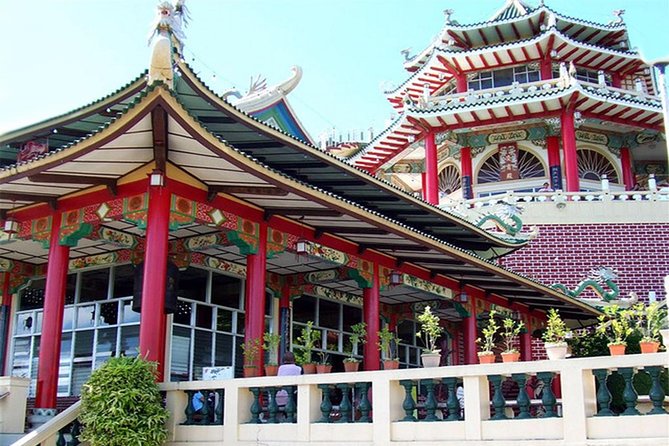
Your first stop is the Taoist temple located in the Beverly Hills Subdivision of Cebu City. It was built in 1972 by Cebu’s substantial Chinese community. Even if you’ve seen Taoist temples elsewhere, this one has a specific local identity: it’s a snapshot of how immigrant communities built spiritual spaces close to home.
This is a short stop, so the goal here is understanding, not sightseeing for hours. You’ll likely spend around 15 minutes getting oriented—enough time to appreciate the setting and hear how Chinese Cebu helped shape the city’s culture beyond just food and shops.
A practical tip: keep your eyes open for details that show how the community expressed its beliefs in a Cebu neighborhood context. This is the kind of place where small elements matter, and a good guide helps you notice them.
Admission is free, so there’s no extra cost pressure at the start.
Heritage of Cebu Monument: a quick tableau of the city’s turning points
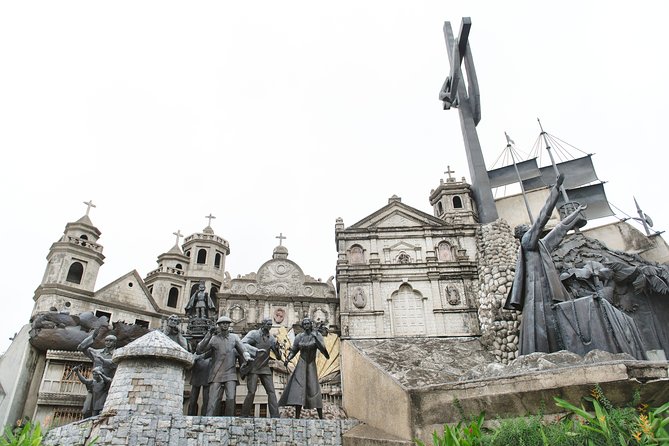
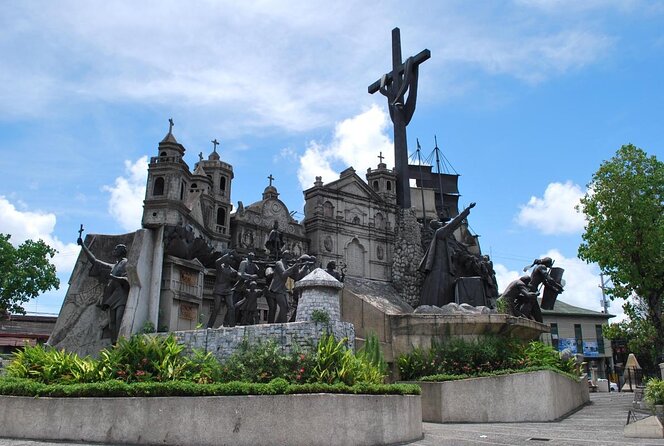
Next comes the Heritage of Cebu Monument—described as a tableau of sculptures made with concrete, bronze, brass, and steel. It highlights scenes tied to historical events and structures connected to Cebu’s past.
This stop is listed as about 5 minutes, which tells you what it is: a brief context builder. You’re meant to take a look, connect the visuals to the stories you’ll hear, and move on.
I actually like this approach because it prevents the classic problem of history tours that get bogged down. A short monument stop can act like a chapter heading, then the rest of the tour gives you the reading.
If you’re the type who loves photos, you’ll likely get a few good shots here without spending too much time. Just don’t expect to fully absorb everything on one pass; it’s best as a spark for the bigger stops later on.
Yap-Sandiego Ancestral House: merchant life from 1675 to 1700
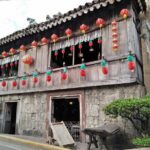
Then the tour shifts into domestic history with the Yap-Sandiego Ancestral House. The house was built between 1675 and 1700 and was originally owned by Don Juan Yap and his wife, Dona Maria Florido—identified here as a Chinese merchant and his wife.
This is one of the stops that tends to land hardest because it turns history into a lived-in idea. Even though your time there is around 15 minutes, the point is to understand what an ancestral home represented: status, family continuity, trade connections, and the way communities built their homes as Cebu developed.
This is also where you can feel the tour’s balanced approach. You’re not only looking at religious landmarks; you’re seeing the “how did people live” side of Cebu’s story. For many visitors, that shift from faith sites to daily life is what makes the tour feel more than a photo run.
Admission is free, so it’s a low-risk stop for your time. If you care about architecture and family trade history, this is the moment you’ll likely remember most.

Magellan’s Cross: a short stop with big 1521 context
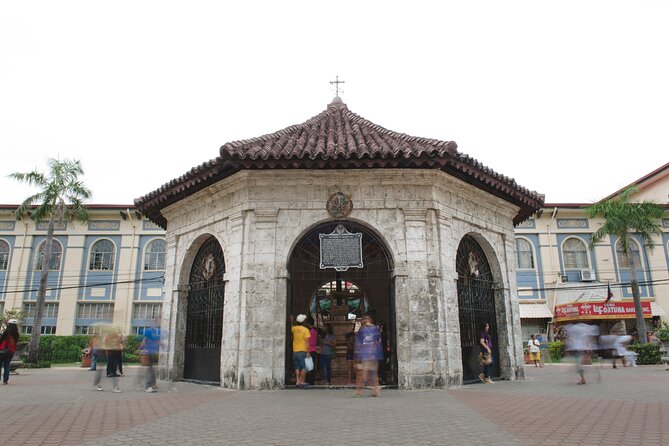
After the ancestral house, you hit Magellan’s Cross. The cross is described as a Christian cross planted by Portuguese and Spanish explorers as ordered by Ferdinand Magellan upon arriving in Cebu on March 15, 1521.
Your time here is about 5 minutes, so again, think of it as a landmark moment more than a long visit. The value is in the explanation. Guides often use this stop to frame the meaning of early European contact—how it connected to later Spanish colonization patterns and what it meant for religion in the region.
This is a great spot if you like “start-to-finish” historical storytelling. You’ll see a physical marker tied to a date you can anchor. Even if you’ve heard the name before, the guided framing helps it feel less like a random historical reference.
Admission is free, so there’s no extra entry fee to weigh against the short time.
Basilica Minore del Sto. Nino de Cebu: oldest Catholic church and dress sense
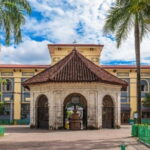
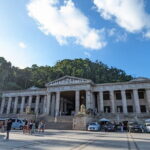
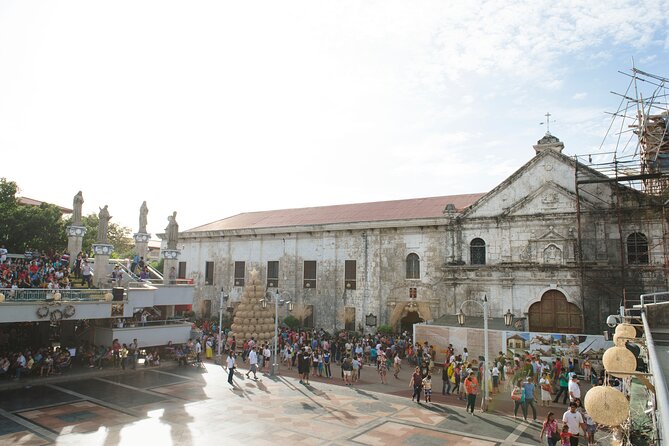
The tour ends at the Basilica Minore del Sto. Nino de Cebu, described as the oldest Roman Catholic church in the Philippines. It is built on the spot where the image of the Santo Niño de Cebu was found during Miguel López de Legazpi’s expedition.
This is the emotional and cultural core of the circuit. After the quick landmark points, the basilica is where you experience the strongest sense of continuity—something old tied to devotion that still matters today.
You’ll spend about 15 minutes here, which is enough for a look around and a moment of reflection. Just note the dress guidance mentioned for sleeveless shirts. If your outfit is close to that line, it’s smart to plan ahead—bring a light layer or choose something that covers shoulders.
This is also where having the right kind of guide pays off. When you get a strong explanation (I’ve seen this reflected in guides like Angelica and in well-organized pairs such as Chen and Josh), the stories connect the basilica’s place in Cebu to the other cultural layers you saw earlier, including merchant life and the city’s multi-community roots.
Admission is free, so your main costs here are time and being ready to respect the setting.
Price and logistics: what $38 gets you (and what it doesn’t)
At $38 per person for about 3 hours, you’re paying for more than a checklist of stops. You’re paying for hotel pickup and drop-off, private round-trip transfer, and a tour guide plus a coordinator. The admission at each listed stop is also free, which helps keep the total spend predictable.
In terms of value, this tour is a good deal when you care about guided interpretation and you want someone to manage the flow. It’s less of a bargain if your plan is mainly to stroll casually and you don’t mind reading basic plaques without commentary.
The only notable miss is simple: food and drinks are not included. That’s typical for short city tours, but it changes the way you should plan your day. Eat before you go, or budget for a quick meal after your return. If you’re hungry during the final basilica stop, your attention will drift.
One more note: there’s an option to upgrade to a Department of Tourism certified guide. Past experiences with the DoT option have been seen as worth it, especially when it improves the quality of explanations rather than just moving you from place to place.
What the guides really add: stories that connect the stops
This tour doesn’t just point at landmarks. It links them. A good coordinator helps you see why the Taoist temple, an ancestral house, a historical cross, and the Santo Niño basilica belong in the same afternoon.
That connection is where guide quality shows. In experiences with guides named Vernie and Angelica, the commentary was described as strong—enough to make the tour feel like it taught something beyond the surface. Other experiences with Chen and Josh emphasized organization and responsiveness, which matters when traffic gets in your way and you’re trying to hit every stop.
If you’re deciding whether to book the DoT-certified upgrade, consider your own style. If you like history told clearly with context, that upgrade can turn the trip from “see places” into “understand the threads.”
Who this Cebu City Tour is best for
This one works well if:
- you want a short, focused way to understand Cebu City’s religion and historical layers
- you value hotel pickup and prefer private transport over piecing together rides
- you like guided explanation more than long independent exploring
It may not be the best fit if:
- you’re expecting big, time-consuming attractions at each stop
- you dislike schedules where some moments are only around 5 minutes
- you mainly want free time for shopping and wandering instead of storytelling
It’s also ideal for first-timers who want a “map in your head.” After this, you’ll likely feel more confident walking around Cebu City on your own.
Should I book the Cebu City Tour?
I’d book it if your Cebu City time is limited and you want a guided highlights route that connects Christian landmarks with Chinese community influence and merchant-era life. The combination of hotel pickup, short “high-impact” stops, and free entries makes it practical value at $38—especially if you choose the DoT-certified guide upgrade.
Skip it if you have a lot of extra hours and want deeper time inside buildings, or if you’re the type who learns best only through personal wandering. This tour is efficient. That efficiency is the strength—just don’t expect slow travel pacing.
FAQ
How long is the Cebu City Tour?
The tour is about 3 hours.
What does the Cebu City Tour cost?
The price is $38.00 per person.
Is hotel pickup and drop-off included?
Yes. The tour includes hotel pickup and drop-off, plus round-trip private transfer and transport by private vehicle.
Is this tour private?
Yes. It’s a private tour/activity, and only your group participates.
Which stops are included?
The tour includes the Taoist Temple, the Heritage of Cebu Monument, the Yap Sandiego Ancestral House, Magellan’s Cross, and the Basilica Minore del Sto. Nino de Cebu.
Are entrance tickets included?
Admission tickets are listed as free for the stops, and the package includes all activities.
Are food and drinks included?
No. Food and drinks are not included.
Is there a guide, and can I upgrade to a certified guide?
A tour guide is included, and the package includes a coordinator. There is an upgrade option for a Department of Tourism certified guide.
Are there any rules for children?
Child rate applies only when sharing with 2 paying adults, and children must be accompanied by an adult.
What is the cancellation policy?
You can cancel for a full refund up to 24 hours before the experience’s start time. Free cancellation is offered, and the tour can be canceled if a minimum number of travelers isn’t met, with an alternative date/experience or a full refund.