REVIEW · CEBU CITY
From Cebu City: Scuba Diving with Whale Sharks Trip in Oslob
Book on GetYourGuide →Operated by Mcrich Travel · Bookable on GetYourGuide
Seeing whale sharks is easier than you think. This early-morning trip from Cebu City to Oslob is built around one thing: getting you into the water with the gentlest giants of the sea, then giving you a short scuba session so you can actually see them up close. I really like that you get full scuba gear included, not a scavenger hunt before you go. I also like the private-transport setup, which keeps the day feeling calm compared to tours that bounce you through lots of stops. The main thing to consider is timing and patience: you’ll be up very early, and weather can affect what happens in the water.
You’ll start with a scenic coastal drive, then get an orientation and basic safety briefing from an English-speaking instructor. After that, the whale shark encounter is the payoff—slow filter-feeding animals that let you approach carefully, at a pace that feels almost unreal.
One practical drawback: you’ll need to plan your day around the after-scuba flight rule (no flying for at least 18 hours).
In This Review
- Key Points You’ll Care About
- Oslob Whale Sharks: Why This Trip Works Better Than “Just Watching”
- The Early Start: 5:00 AM Pickup and a Long Coastal Morning
- Orientation and Gear Check: Getting Ready Before You Hit the Water
- Your Scuba Session: A Short Training Block With Clear Safety Rules
- Whale Shark Encounter in Oslob: What to Expect Underwater
- Group Pace, Instructor Support, and the English Factor
- Price and Value: Where the Money Goes at $172 Per Person
- Weather Rules: The Deeper-Water Option Isn’t Guaranteed
- Packing Tips That Actually Matter: Towels, Change of Clothes, and Comfort
- The 18-Hour Flight Rule: Plan Your Schedule Like an Adult
- Should You Book This Whale Shark Scuba Trip From Cebu?
- FAQ
- What time is the hotel pickup?
- How long does the trip take?
- Do I need a scuba certification to join?
- What scuba equipment is included?
- Is breakfast or lunch included?
- Are there limits on flying after the scuba session?
- What should I bring?
- Can weather affect the experience?
Key Points You’ll Care About
- 5:00 AM hotel pickup keeps the experience on track and helps you avoid the worst crowds
- English-speaking instructor plus basic training makes this workable for first-timers
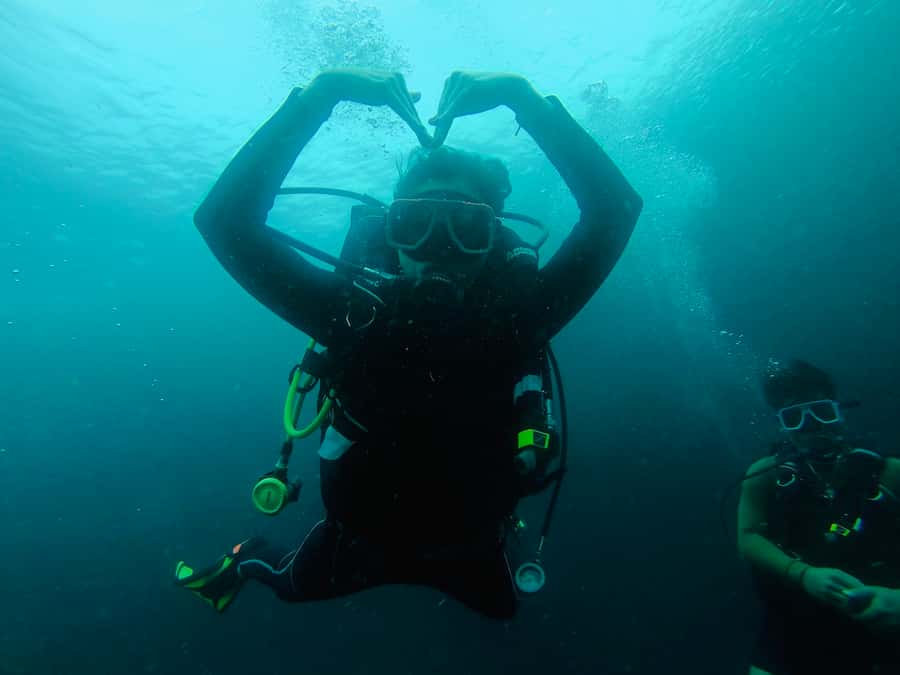
- Full scuba kit included (wet suit, regulator, PCD, air tank, mask, fins)
- Private car transfer means less wasted time than shared buses and mixed groups
- Weather affects deeper-water plans, and cancellation can happen last minute
- You can do the whale shark encounter without a license, if you’re an eligible participant
Oslob Whale Sharks: Why This Trip Works Better Than “Just Watching”
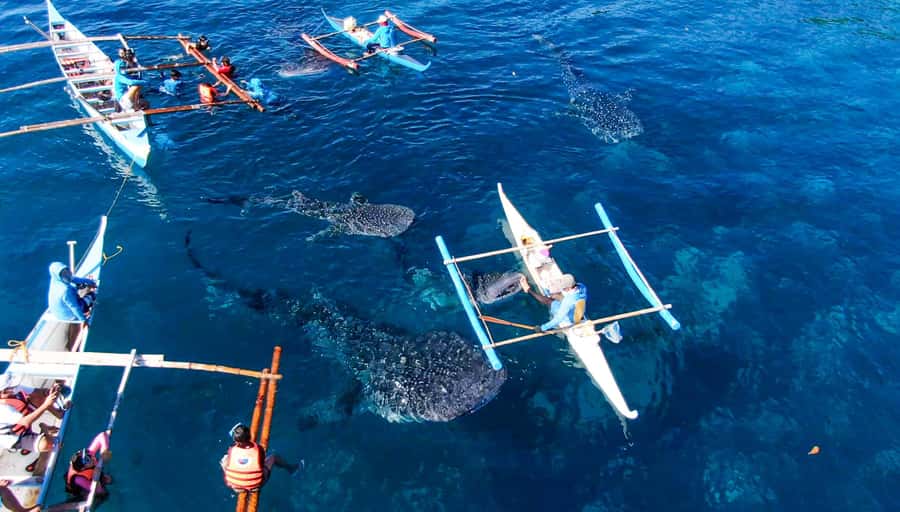
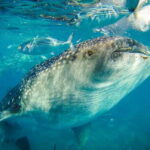
Oslob is famous for one reason: whale sharks gather here, and they’re not the skittish, you-might-see-one-if-you’re-lucky type of attraction. These animals are slow and filter-feeding, so the whole experience is about controlled, careful water time rather than sprinting between boats.
What makes this particular setup feel like better value is the mix of scuba time plus a whale shark encounter. If all you do is surface watching, you’re dealing with crowds and waiting. With scuba gear and proper guidance, you can enter the water directly from the beach area used by this kind of trip, which often means the water feels less packed once you’re underwater. That difference matters because visibility and breathing-control help you actually take in the moment.
The trip is also open for non-license and licensed scuba participants, which is a big deal if you don’t have a certification card. You still need a basic orientation, but you’re not locked out just because you’ve never done this before.
You can also read our reviews of more city tours in Cebu City



The Early Start: 5:00 AM Pickup and a Long Coastal Morning
Your day begins early—hotel pickup is at 5:00 AM. That’s not a small detail. Early starts change how the day feels: you spend less time in peak congestion and more time actually moving toward the water.
From Cebu City, you’ll do a scenic drive along the Southern Cebu coastline to Oslob in a private car charter. Private transfer matters because it’s predictable. You’re not waiting for multiple pickup points or trying to manage a group with different schedules. It also helps if you’re sensitive to long, stop-and-go commutes—this route is long enough that comfort counts.
Expect your morning to feel like this:
- get collected at your hotel lobby
- settle in for the drive
- arrive at Oslob with time for orientation and getting geared up
Then the day shifts into training mode.
Orientation and Gear Check: Getting Ready Before You Hit the Water
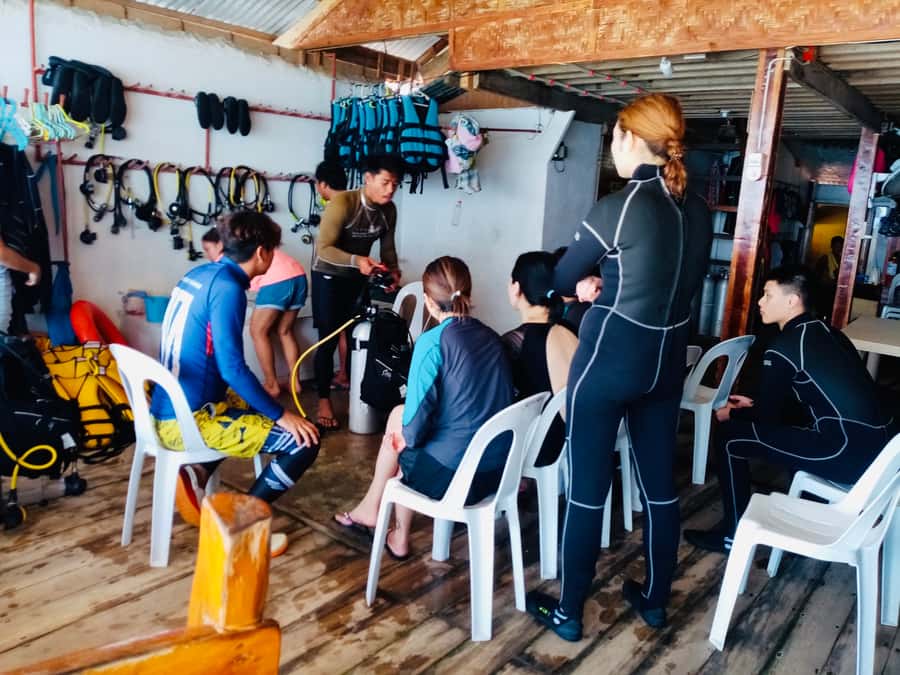
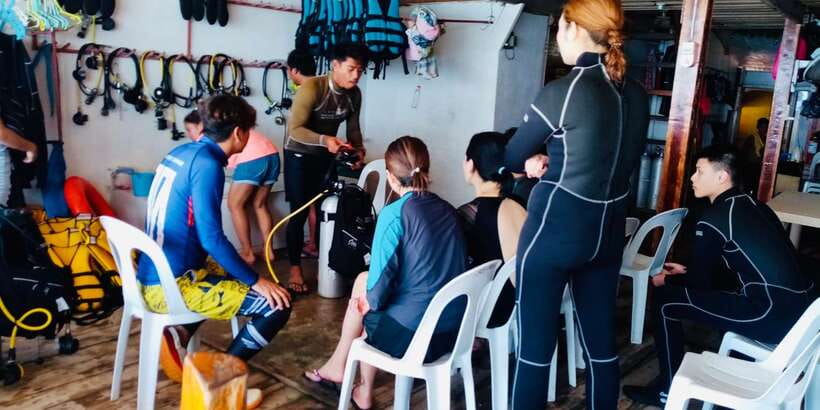
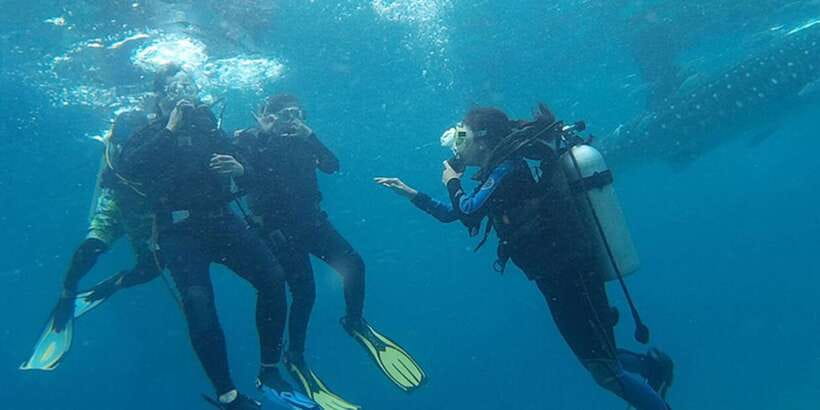
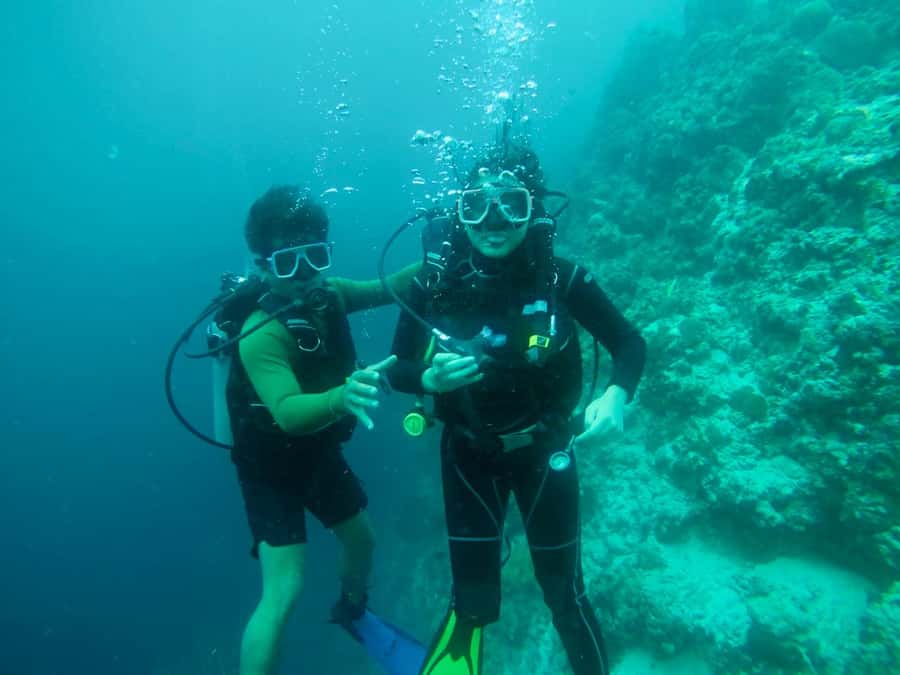
Once you arrive in Oslob, there’s an orientation with the scuba instructor. This is where you should pay attention, even if you think you’ll be “fine” in the water. The day is built around two phases: the whale shark encounter and the short scuba experience. You want your breathing and equipment handling to feel second-nature early, so you can focus on the animals later.
Included in your kit:
- wet suit
- regulator
- PCD
- air tank
- scuba mask
- fins
Two things I appreciate about this gear list: it reduces your pre-trip stress, and it signals that this is a structured training day, not just a ride to a sightseeing beach. You’ll also have a briefing about what to look for and basic safety rules.
From the info you have, the actual scuba experience time is around 30–40 minutes. That’s enough to learn the basics of staying comfortable while going underwater, but it’s not so long that you’ll feel wrecked for the rest of the day.
Your Scuba Session: A Short Training Block With Clear Safety Rules
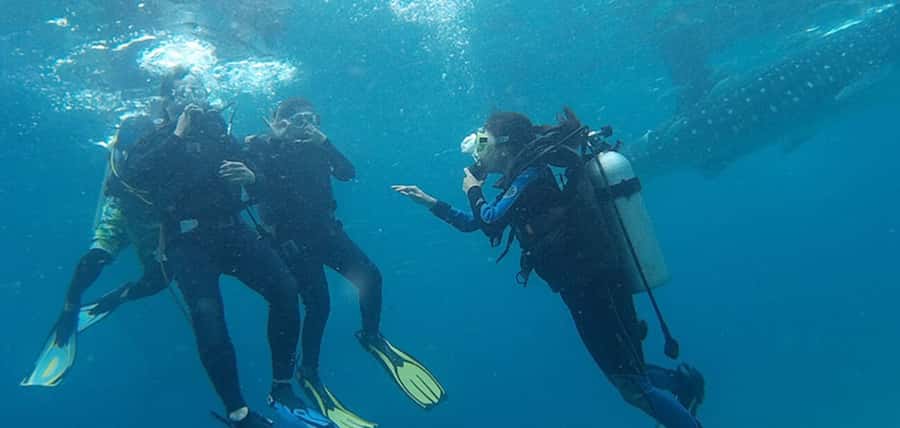
This isn’t presented as a long certification-style course. It’s a practical “get you in the water” approach. If you’re a first-timer, the short duration can be a comfort. You learn the key behaviors, you follow instructions, and you get a taste of how controlled breathing and buoyancy feel.
One review detail that lines up with the goal here: first-time participants were especially happy with the help and professionalism of the guide. That’s what you’re looking for in this kind of experience—someone calm, with instructions that make sense in real time.
Also, remember the equipment rhythm. A wet suit and full scuba kit will feel different than snorkeling gear. If you’re used to snorkeling, you’ll likely notice the extra steps: regulator breathing, proper mask positioning, and learning how to manage your buoyancy. That’s why you shouldn’t rush the first minutes. Use the orientation to get your bearings fast, so the whale shark encounter can be the fun part instead of an equipment struggle.
Whale Shark Encounter in Oslob: What to Expect Underwater
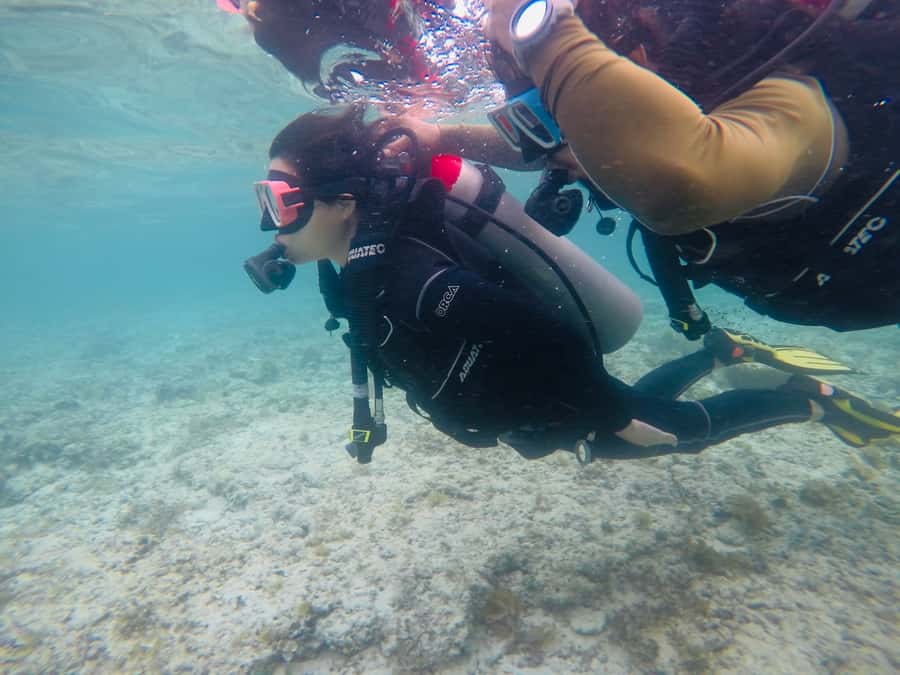
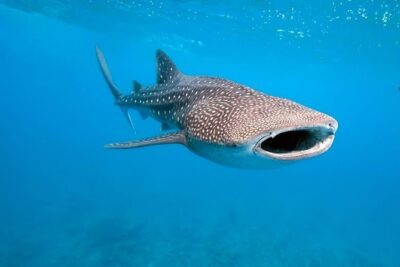
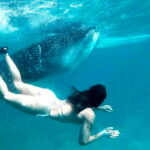
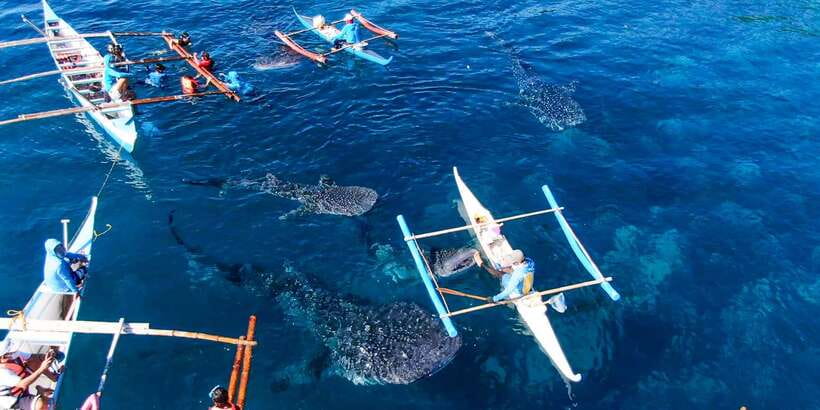
Now for the main event. You’re heading to the Oslob whale shark watching area specifically for close-up encounters with gentle whale sharks. These animals are filter-feeding “carpet sharks,” and their calm pace is what makes this possible. You’re not trying to chase them; you’re learning how to be present while they do their thing.
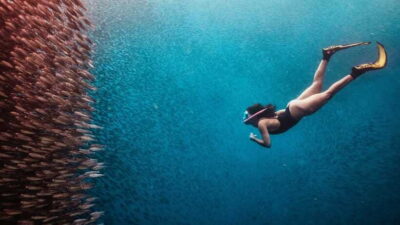
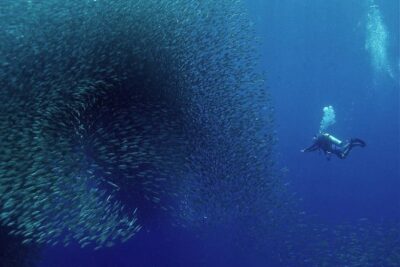
During the encounter, you’ll be in the ocean with other sea life around you too. That’s why this trip feels more like an actual marine experience than a one-note zoo-like moment. The goal is to give you time, not just a single look.
A helpful detail from the on-the-ground experience: whale shark watching in Oslob can start very early (some people mention watch-outs that begin as early as 3:00 AM). Once the boats and surface crowds build up, snorkeling can mean a lot of waiting in lines and a lot of bodies on the surface. The scuba approach is often easier on your schedule because you can enter from the beach area and move underwater more freely. If you care about minimizing waiting and keeping your water time high-quality, this is a strong reason to choose scuba for the whale shark encounter.
You can also read our reviews of more whale watching tours in Cebu City

Group Pace, Instructor Support, and the English Factor
This tour is English-led, with an instructor who speaks English. That’s valuable for two reasons. First, safety instructions have to land clearly. Second, the whole experience depends on calm coordination—when equipment adjustments, timing, and whale shark location come together.
One detail worth taking seriously from the experience info you were given: communication between the transport driver and the scuba team can get tricky if English isn’t shared. If you’re going with limited English, it’s not necessarily a deal-breaker, but you should be ready for the fact that clear instructions matter.
If English is your weak spot, I’d plan to:
- arrive with a basic understanding of the likely signals or simple instructions
- ask for clarification early during orientation, not after you’re already in the water
Price and Value: Where the Money Goes at $172 Per Person
At $172 per person, this trip isn’t the cheapest way to see whale sharks. But for what you’re getting, the price can make sense—especially if you’d otherwise have to pay for transport plus gear plus instruction.
Here’s what’s included that drives value:
- private transfer with hotel pickup and drop-off
- an experienced instructor
- full scuba equipment: wet suit, regulator, PCD, air tank, mask, fins
What’s not included:
- breakfast and lunch
- travel insurance
So the real value question is simple: are you paying mostly for the whale shark encounter, or are you paying for a full-day package that gives you a guided scuba session too?
If your goal is only whale shark watching, snorkeling tours may be cheaper. But if your goal is seeing whale sharks with more control and potentially less surface crowding once you’re underwater, paying for scuba becomes part of the experience quality—not just an add-on.
Weather Rules: The Deeper-Water Option Isn’t Guaranteed
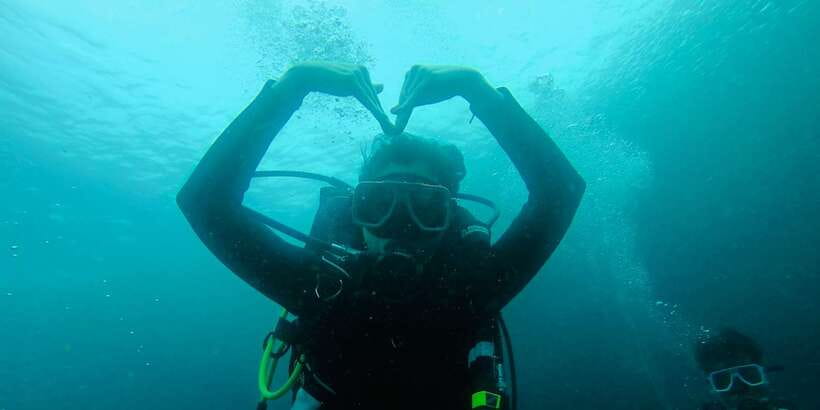
Water days are not always the same. The info you have says that a deeper-water scuba option depends on weather conditions and may be canceled at the last minute due to bad weather.
That doesn’t mean the entire whale shark portion will disappear, but it does mean you should treat “deeper” as conditional. If you’re the kind of person who feels frustrated when plans change, give yourself permission to stay flexible. This trip is worth it for the whale shark encounter itself, and the scuba session is still structured even if deeper-water conditions don’t cooperate.
Packing Tips That Actually Matter: Towels, Change of Clothes, and Comfort
What to bring is straightforward, but don’t ignore it:
- change of clothes
- towel
I also suggest you bring practical extras even if they’re not listed, like something to protect wet gear and a dry bag for your phone. But stick to the essentials listed so you don’t overload your early-morning carry.
Also keep in mind you’ll likely be in a wet suit and handling scuba equipment before and after your water time. Drying off and getting comfortable again is part of having a good day, not an afterthought.
The 18-Hour Flight Rule: Plan Your Schedule Like an Adult
For health and safety reasons, you should not take a flight for at least 18 hours after you dive. This is one of those rules that’s easy to overlook until you’re staring at your departure time.
If you’re building a tight itinerary in the Philippines—say, Cebu to another island right after—this rule can force you to rework your schedule. I’d either:
- plan your scuba day as a “stay put” day near Cebu, or
- book your next flight for the next day with plenty of buffer
Should You Book This Whale Shark Scuba Trip From Cebu?
I’d book this if you want:
- a guided whale shark encounter in Oslob
- a short, beginner-friendly scuba experience (no license required for eligible participants)
- full equipment handled for you
- a private car transfer that keeps the day smooth
I would hesitate if:
- you need to fly soon after the activity
- you’re very sensitive to early mornings (5:00 AM pickup is real)
- you’re hoping specifically for deeper-water conditions, since that can be weather-dependent
Overall, this is a smart choice when you want more than watching—when you want the ocean view with instruction and gear that’s already included.
FAQ
What time is the hotel pickup?
Pickup is at 5:00 AM from your hotel lobby.
How long does the trip take?
The total duration is 8 to 10 hours (starting times vary, so you’ll want to check availability).
Do I need a scuba certification to join?
The experience is open for both non-licensed and licensed scuba participants.
What scuba equipment is included?
You get full gear, including a wet suit, regulator, PCD, air tank, diving mask, and diving fins.
Is breakfast or lunch included?
No. Breakfast and lunch are not included.
Are there limits on flying after the scuba session?
Yes. For health and safety reasons, you should not take a flight for at least 18 hours after you dive.
What should I bring?
Bring a change of clothes and a towel.
Can weather affect the experience?
Yes. A deeper-water tour is dependent on weather conditions and may be canceled last minute due to bad weather.